
Artificial intelligence is changing the way adults work, communicate, research, create and make decisions. For many families, that raises an important question: what does this mean for our children?
The answer is not to turn early childhood into technology training. Young children do not need to be rushed into a future they are not developmentally ready for. What they need is something much more foundational: the ability to understand their emotions, build relationships, ask thoughtful questions, adapt to change and work well with others. These are often called “soft skills,” but there is nothing soft about them. In many ways, they may become some of the most important skills our children can develop.
Harvard researchers have emphasized that while AI may support certain learning experiences, it cannot fully replace the depth of human conversation, relationship-building and social development that children gain through real interactions.
That is why the early years matter so much. Early childhood is when children begin building the emotional, social and cognitive foundations that shape how they learn, connect and respond to the world around them. UNICEF describes early childhood as a critical period for cognitive, social, emotional and physical development, supported by nurturing environments, stimulation and attentive relationships.
At The Learning Nest, we see this every day. Children are not just learning letters, numbers or routines. They are learning how to wait their turn, explain what they feel, solve a problem with a friend, try again after frustration and take pride in discovering something new. Those are the building blocks of a future-ready child.
AI Can Provide Answers. Children Still Need to Learn How to Think.
One of the biggest shifts AI brings is access to information. Children growing up today will likely be surrounded by tools that can summarize, generate, calculate and recommend in seconds. But having access to an answer is not the same as knowing what to do with it. This is where critical thinking becomes essential.
A child who asks “why,” predicts what might happen next in a story, experiments with loose parts, compares patterns or wonders how something works is doing more than being curious. They are learning how to reason.
At The Learning Nest, this is nurtured through a blended curriculum rooted in Montessori with a Bespoke Curriculum, supporting cognitive, social and emotional development through individualized attention.
“In a world where AI is taking over the heavy-lifting of our everyday jobs (written communication, presentations, analysis), our future workforce needs to be trained in areas where AI falls down; emotional intelligence. Leaders of tomorrow will need to understand how to work in teams in ever-changing environments and how their actions will impact their workplaces. AI will always provide us with the ‘correct answer’, but critical thinking skills will determine if this is truly the right answer for our companies, families and society in general.”
Darrell Keezer – Founder of Candybox Marketing, father of 4 and AI Expert
That distinction matters. AI may be able to produce the “correct” answer, but our children will still need the wisdom to decide whether that answer is helpful, fair, kind, accurate or appropriate.
Emotional Regulation Is a Future-Ready Skill
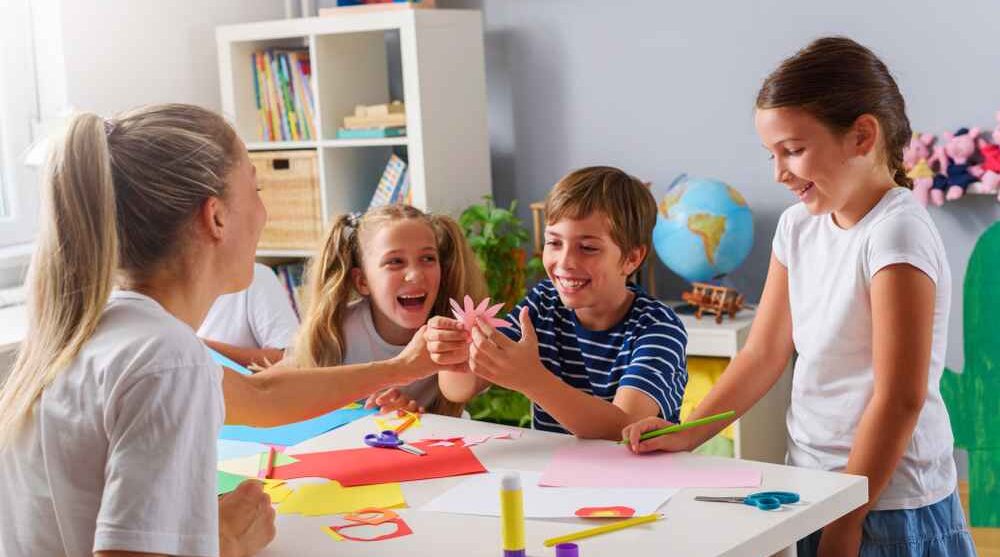
Before children can collaborate, lead or think clearly under pressure, they need to learn how to manage big feelings.
For a toddler, emotional regulation may look like naming a feeling instead of melting down. For a preschooler, it may look like taking a breath before grabbing a toy, asking for help or trying again after a mistake. These moments may seem small, but they are meaningful.
The Center on the Developing Child at Harvard describes executive function and self-regulation skills as the brain’s “air traffic control system,” helping people manage information, make decisions, plan ahead, focus attention and switch gears. These skills are not automatic. Children develop them through supportive relationships, practice and environments that give them safe opportunities to try.
This is why social-emotional learning is not separate from academic learning. It supports it.
Learning Nest’s Enrichment Programs support children’s mental health and well-being while helping them identify emotions, build friendships, develop conflict-resolution skills and practise communication.
For families, this can be reassuring. Preparing children for the future does not have to mean adding pressure. It can mean helping them feel safe enough to try, supported enough to grow and confident enough to recover when something feels hard.
Socialization Teaches What Technology Cannot
Children learn empathy, cooperation and communication through real relationships.
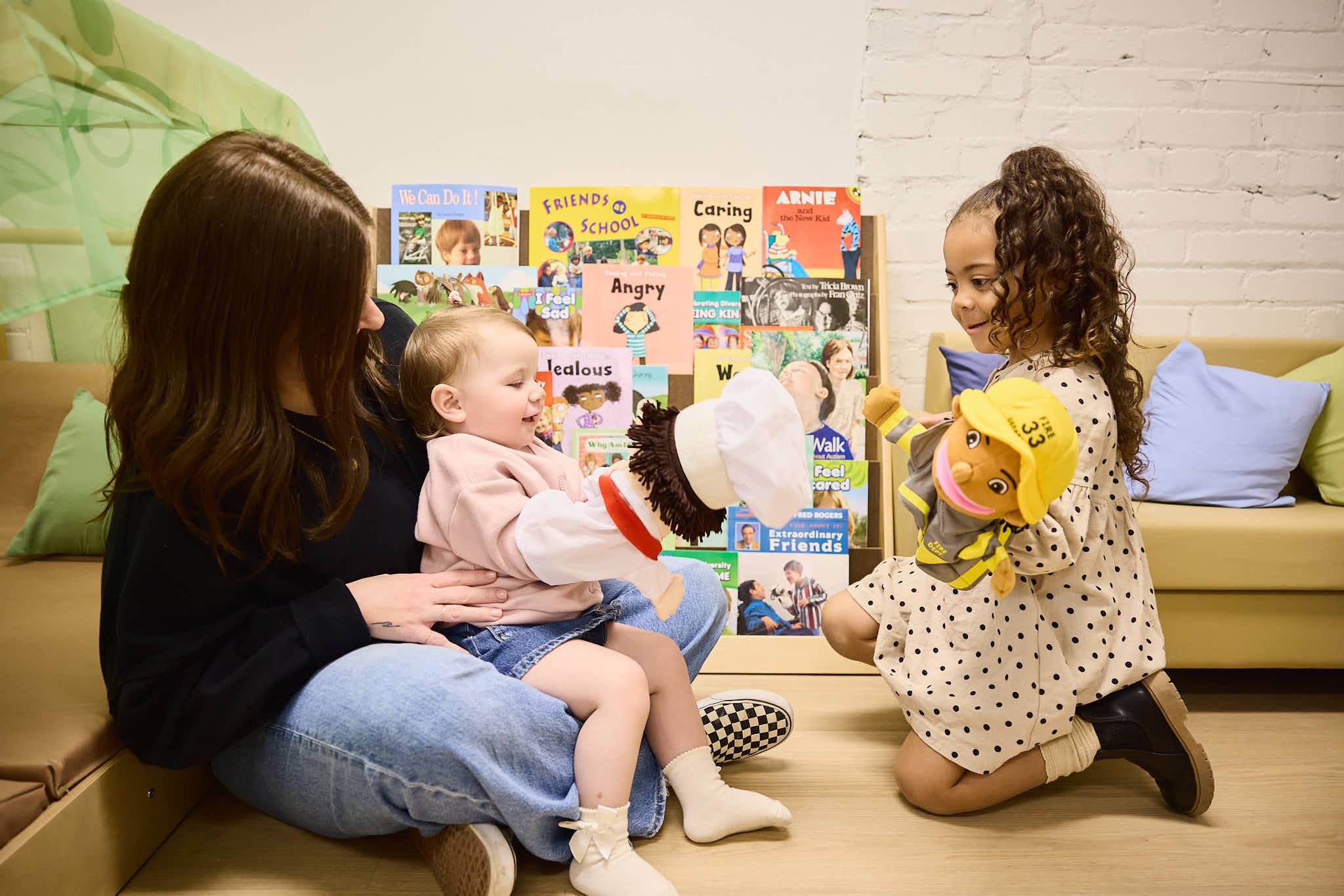
They learn that another child may feel differently than they do. They learn how to listen, take turns, join a group, repair a conflict and celebrate someone else’s success. These are not skills that can be fully taught through a screen or generated by a tool. In early childhood, children are still learning how to read facial expressions, understand tone, respond to emotions and feel secure in a community.
At The Learning Nest, socialization is built into the classroom experience. The Toddler program supports social, emotional, cognitive and physical development, with a focus on language development, independence, socialization and movement..
Adaptability Starts With Small, Safe Challenges
The future our children enter will look different from the world we know today. Jobs will change. Technology will change. The way we communicate and solve problems will change.
But adaptability is not something children suddenly develop as adults. It begins when they are young.
A child becomes more adaptable when they try a new activity, enter a new classroom, taste a new food, work through a disagreement, adjust to a routine or attempt something that feels difficult at first. With the right support, these moments teach children that change is not something to fear. It is something they can move through.
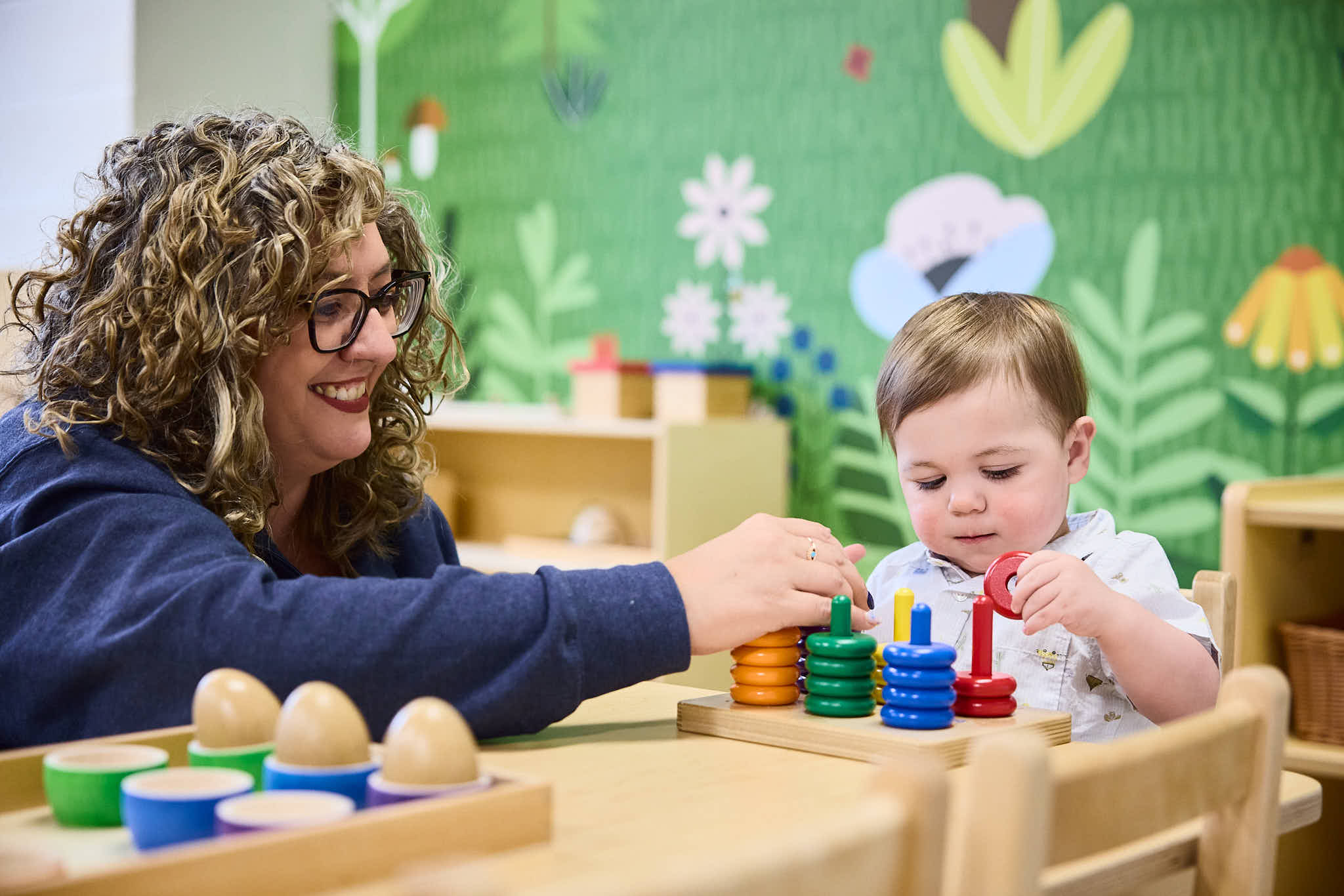
Learning Nest’s Montessori curriculum supports independence, self-discovery, concentration and decision-making through hands-on materials and a carefully prepared environment. Adaptability does not mean children are never nervous. It means they learn, over time, that they can handle new things with guidance, patience and practice.
What Families Can Do at Home
Parents do not need to become AI experts to raise future-ready children. The most meaningful work often happens in everyday family moments.
- Ask open-ended questions. Instead of only asking “Did you like it?” try “What made you think that?” or “What would you try next time?”
- Name emotions. When a child is frustrated, help them find the words: “You’re upset because the tower fell. That was disappointing.”
- Praise effort, not just outcomes. Say “You kept trying” or “I noticed how carefully you thought about that.”
- Encourage problem-solving. Before stepping in, ask “What could we try?” or “How can we fix this together?”
- Make room for conversation. Reading together, cooking together, walking outside and talking about the day, all help children practise language, attention and connection.
Harvard’s “serve and return” framework explains that responsive, back-and-forth interactions with caring adults help shape brain architecture and build social and cognitive skills. These simple moments are powerful because children learn through relationships.
How The Learning Nest Supports Future-Ready Foundations
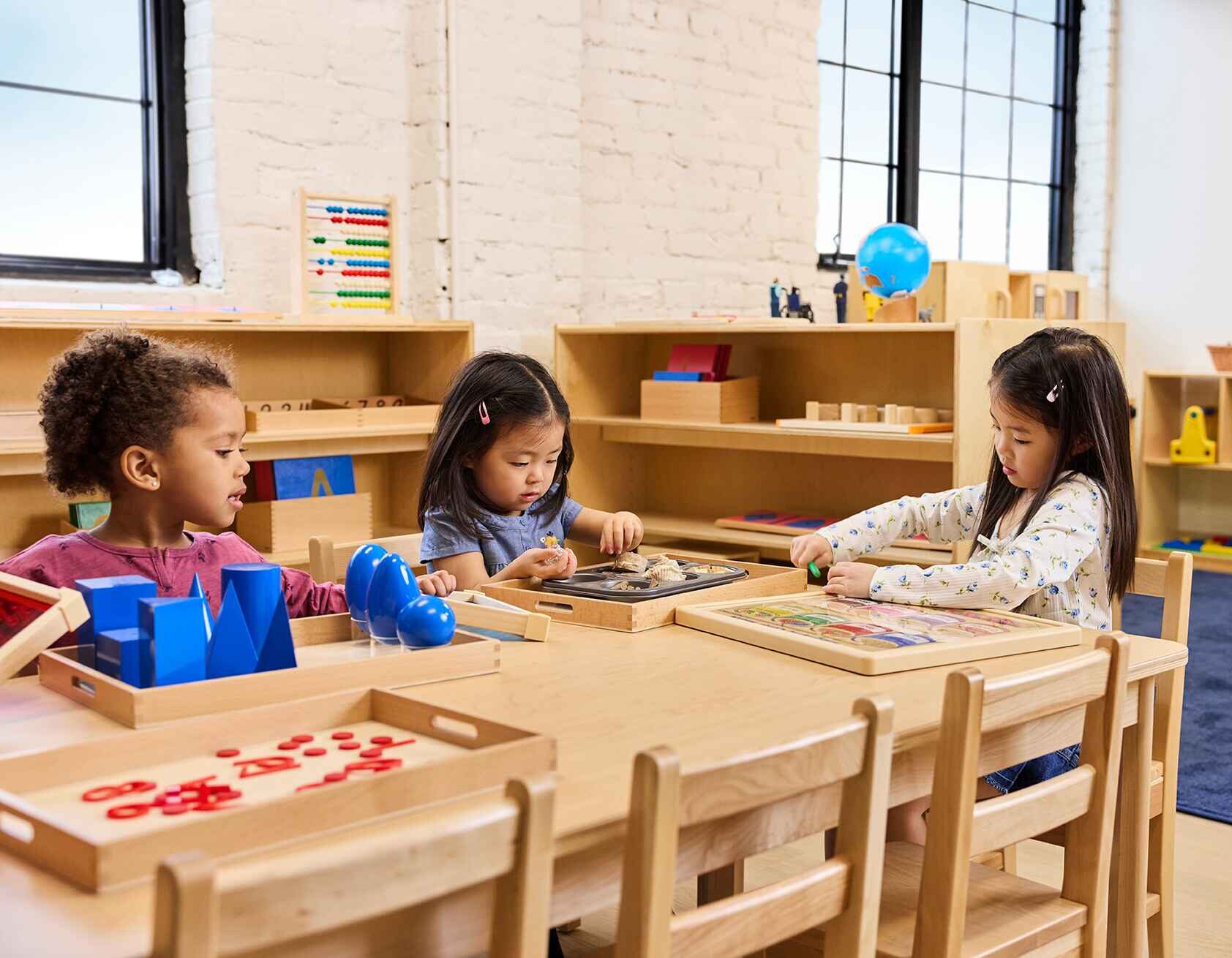
At The Learning Nest, future-ready learning does not mean replacing childhood with technology. It means protecting what matters most in childhood: secure relationships, meaningful learning, emotional growth, curiosity and confidence.
Through Infant, Toddler and Preschool programs, children are supported with age-appropriate experiences that nurture growth at every stage. The Learning Nest’s curriculum blends Montessori, with enrichment programs such as Baby Signs, Second Step, STEM and Jolly Phonics to support communication, social-emotional development, critical thinking and literacy.
AI will continue to change the world our children grow into. But the goal of early childhood education is not to predict every tool, platform or career that may exist years from now. The goal is to help children build the foundations that remain valuable no matter what changes.
If you are exploring early childhood education options in Toronto, contact The Learning Nest to learn more about our Infant, Toddler and Preschool programs in North York and The Junction.
FAQs
Why are soft skills important in early childhood?
Soft skills help children build confidence, manage emotions, communicate with others, solve problems and adapt to new experiences. These abilities support both school readiness and lifelong learning.
What soft skills should preschoolers develop?
Preschoolers benefit from developing emotional regulation, communication, cooperation, empathy, curiosity, problem-solving, independence and adaptability.
How can parents support emotional regulation at home?
Parents can support emotional regulation by naming feelings, staying calm during difficult moments, creating predictable routines and helping children practise simple coping strategies such as breathing, asking for help or taking a short break.
How does early childhood education prepare children for an AI-driven future?
Early childhood education helps children build the human skills AI cannot replace, including relationship-building, empathy, critical thinking, creativity, communication and resilience.
How does The Learning Nest teach social-emotional skills?
The Learning Nest supports social-emotional learning through warm educator relationships, peer interaction, classroom routines, guided conflict resolution and enrichment programs.
Sources: gse.harvard.edu, UNICEF DATA, Harvard Center on Developing Child, Harvard Center on Developing Child