
Daycare drop-off tears can tug at your heart every morning. Many infants and toddlers cry or cling when it’s time to say goodbye, a common challenge rooted in separation anxiety. The good news is that with patience, preparation, and the right strategies, you can gently guide your little one from tearful goodbyes to confident drop-offs.
In this post, we’ll explain why separation anxiety peaks, outline a step-by-step transition plan, and share proven strategies from goodbye rituals to comfort items to ease the process. You’ll also see how teachers support emotional regulation and why open communication makes all the difference. Let’s turn those drop-off tears into happier hellos!
Understanding Separation Anxiety in Infants and Toddlers
Separation anxiety is a normal developmental phase and a healthy display of attachment. It’s the distress babies and young children feel when they’re separated from their primary caregivers.
Why It Happens and When It Peaks
- Infants (6–9 Months): Anxiety emerges as infants start to grasp object permanence which is the realization that you exist even when out of sight. Since they haven’t mastered the idea that you will return, they may fear you’re gone for good. This unfamiliar feeling triggers tears and is a sign of a strong parent-child bond.
- Peak Intensity (10–18 Months): The distress typically peaks in older infants and young toddlers. Many children become extra clingy and upset during goodbyes because they recognize the separation but lack the cognitive maturity to understand the timeline of your return.
- Toddlers (15–24 Months+): Separation may suddenly appear or regress during this stage as their independence blossoms. Big transitions, like starting a new daycare, can also cause temporary setbacks. Rest assured, this reaction is completely normal, temporary, and won’t diminish the many lasting benefits of quality group care.
If your child cries at drop-off, you are not alone. Separation anxiety and those daycare drop-off tears are normal. They signify a secure attachment, a bond that will ultimately give them the confidence to explore the wider world.
A Gentle, Step-by-Step Transition Plan for Daycare Drop-Off
Having a gradual plan helps everyone adjust more smoothly. This strategy focuses on building trust and predictability to manage daycare drop-off tears.
Preparation and Phasing In

- Visit Together Before the First Day: If possible, arrange a short visit to the daycare before the official start. Being a key part of The Learning Nests onboarding practice, this allows your child to explore the new classroom and meet their teachers while feeling safe by your side. Seeing the daycare as a fun, safe place helps reduce anxiety on Day One.
- Talk About Daycare in Advance: In the days leading up to the first drop-off, gently introduce the idea of daycare during your daily routine. For a toddler, keep the tone upbeat and simple, saying, “Soon you’ll get to play with other friends at daycare! Mommy will come back after nap time.” This helps set expectations and normalize the upcoming change.
- Practice Short Separations: Before the first full drop-off, practice being apart in smaller doses. Have your child spend an hour with a trusted grandparent or try a trial run with the new caregiver for a brief period. This “practice being apart” helps your child learn that when you leave, you do come back.
- Gradual Start (If Feasible): On your child’s first few days, see if you can arrange a gradual easing-in. Start with an hour, then build up to a full day over a week. The Learning Nest educators understand that each child is different and can accommodate gradual adjustment as needed, ensuring a smooth, loving transition.
The Drop-Off Moment
- Establish a Consistent Drop-Off Routine: Young children thrive on predictability. Adopt a simple sequence each morning: arrive, hang up their coat, go to the classroom door, do one special goodbye ritual, and then confidently say goodbye. Doing the same ritual at the same place and time each day builds security.
- Keep Goodbyes Brief and Positive: When it’s time to actually say goodbye, make it short and sweet. Kneel to your child’s level, give a loving hug, reassure them you will be back later, and then keep your goodbye brief and upbeat. Prolonging the farewell, coming back repeatedly tends to make things harder for the child.
- Trust the Teachers and Walk Away: Never try to “sneak out,” as tempting as that may be; this breaks your child’s trust. Confidently hand your child to their caregiver and allow the teacher to comfort and engage them. Teachers know how to distract a crying child with a toy or offer a warm cuddle. Often, children stop crying just moments after the parent leaves the room.
- Stick to the Plan (and Keep Your Promise): Tell your child in concrete terms when you will be back (e.g., “after nap time”). Then ensure you are there as promised. This helps build your child’s confidence and trust that you always return when you say you will.
Comfort Strategies for Easier Drop-Offs
 In addition to a phased transition, these techniques can further comfort an anxious infant or toddler at drop-off time.

- Create a Special Goodbye Ritual: A small, sweet ritual gives your child something to anticipate and even enjoy. It could be a fun handshake, a big bear hug followed by a high-five, or a special phrase you say each time (“See you later, alligator!”). Keep it simple and quick to offer reassurance without dragging out the parting.
- Offer a Transitional Comfort Item (“Lovey”): Let your child bring a transitional object from home. This might be a favorite stuffed animal, a soft blanket, or even your scarf. The comfort item serves as a tangible piece of home and can provide emotional support when your child is missing you.
- Use Predictable Routines: Maintain a stable schedule around drop-off times and the daily routine at home. A child who is well-rested and not hungry will cope better with separation than one who is tired or anxious.
Warm, Responsive Care at The Learning Nest
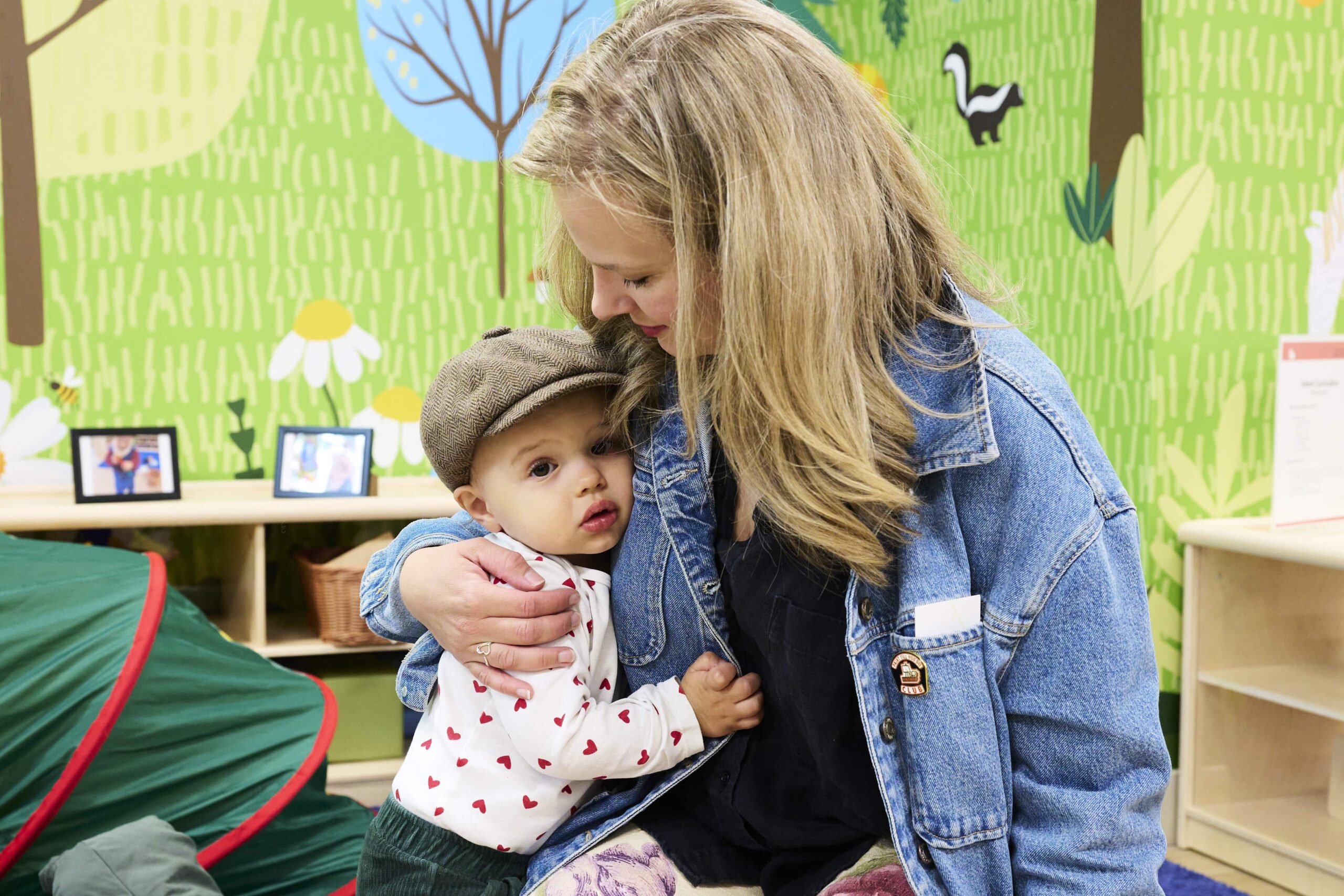
A huge part of easing drop-off anxiety is knowing that your child is in the hands of caregivers who truly understand and attend to their emotional needs. Our educators pride themselves on providing warm, responsive care and building secure attachments with each child.
- Educator Support: Our experienced Infant educators take time to form close bonds with your baby through cuddles, eye contact, and gentle words. If your baby is crying at drop-off, their primary caregiver will immediately scoop them up and engage them with a toy or song. This responsive care teaches your infant that they will be cared for even when you are not there.
- Emotional Regulation: For toddlers, our approach centers on social-based learning and emotional support. Our educators use techniques like naming the child’s emotions (“I see you’re sad, it’s okay to feel sad when Mommy leaves”) and guiding them to a calming activity. This teaches your child to regulate their emotions and build trust beyond their family circle.
“From an educator’s perspective, one of the most meaningful parts of the Learning Nests approach is our focus on emotional language and connection. When a child is upset, we always start by acknowledging their feelings – naming the emotion and offering comfort before gently redirecting. That small moment of connection helps a child feel seen, safe, and understood, which builds the foundation for trust and emotional security.” Fatima Tavares, Director of Quality
- Open Communication: We believe parent communication is a core concept. We encourage you to share anything that might help us comfort your child (a favorite song, a morning nap cue). We offer real-time updates and detailed daily reports so you can reassure yourself that your child has settled and is happily playing.
By staying consistent, quick, and positive, you are teaching your child a critical life lesson: At The Learning Nest, we specialize in easing transitions with warm, responsive care and a focus on social-based learning. If you’d like to learn more about how we support families facing daycare drop-off challenges, we invite you to contact us. Together, we’ll help make goodbyes easier and reunions joyful.
FAQs
Do all infants experience separation anxiety?
Most infants go through some degree of separation anxiety between 6 and 18 months, though intensity varies.
How long does separation anxiety last in toddlers?
It often peaks between 10 and 18 months and gradually fades by age 2–3. Though transitions like starting a new group setting may cause a temporary setback, rest assured, these brief regressions are common, temporary, and are well worth the significant benefits your child gains from group care.
Should I sneak out if my child cries at daycare drop-off?
No. Always say goodbye. Sneaking away may increase clinginess and reduce trust.
“When transitions are handled with sensitivity and emotional awareness, children typically move from tears to play within just a few minutes. Once they feel acknowledged and connected, they’re usually able to shift their focus and settle into their environment quite quickly. Exact timing really depends on each individual child but when they feel a connection to their educator, it allows them to regulate their emotions more easily” Fatima Tavares, Director of Quality