







In 2025, economists at MIT’s Sloan School of Management identified five distinctly human capabilities that AI cannot replicate: empathy, presence, judgment, creativity and vision and leadership. They called this the EPOCH framework.
The data is clear. Occupations requiring these capabilities saw stronger employment growth over the past decade, higher hiring rates today and the most favorable projections through 2034.
Nest-EQ was designed in direct response to this evidence. Every environment and educator interaction at Learning Nest Academy is structured to develop the capabilities MIT identifies as foundational to thriving alongside AI.
This is not a trend. It is architecture. And it begins in the earliest years, when the foundations of how a child thinks, connects, creates and leads are first being built.
For over a century, the Montessori method has stood apart from conventional education – and for good reason. It remains one of the most rigorously researched and widely respected approaches to early childhood development in the world.

-
Children learn best through doing
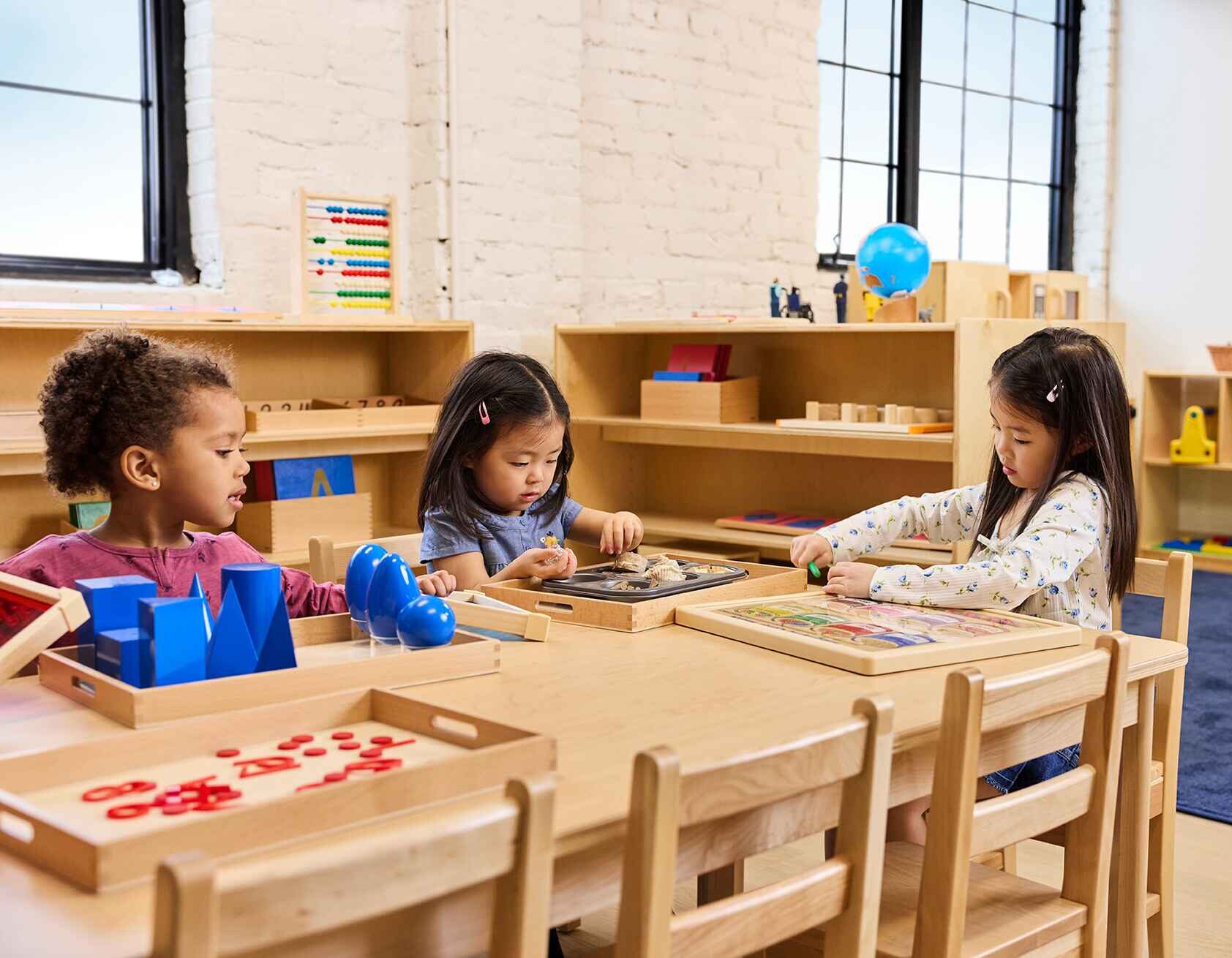
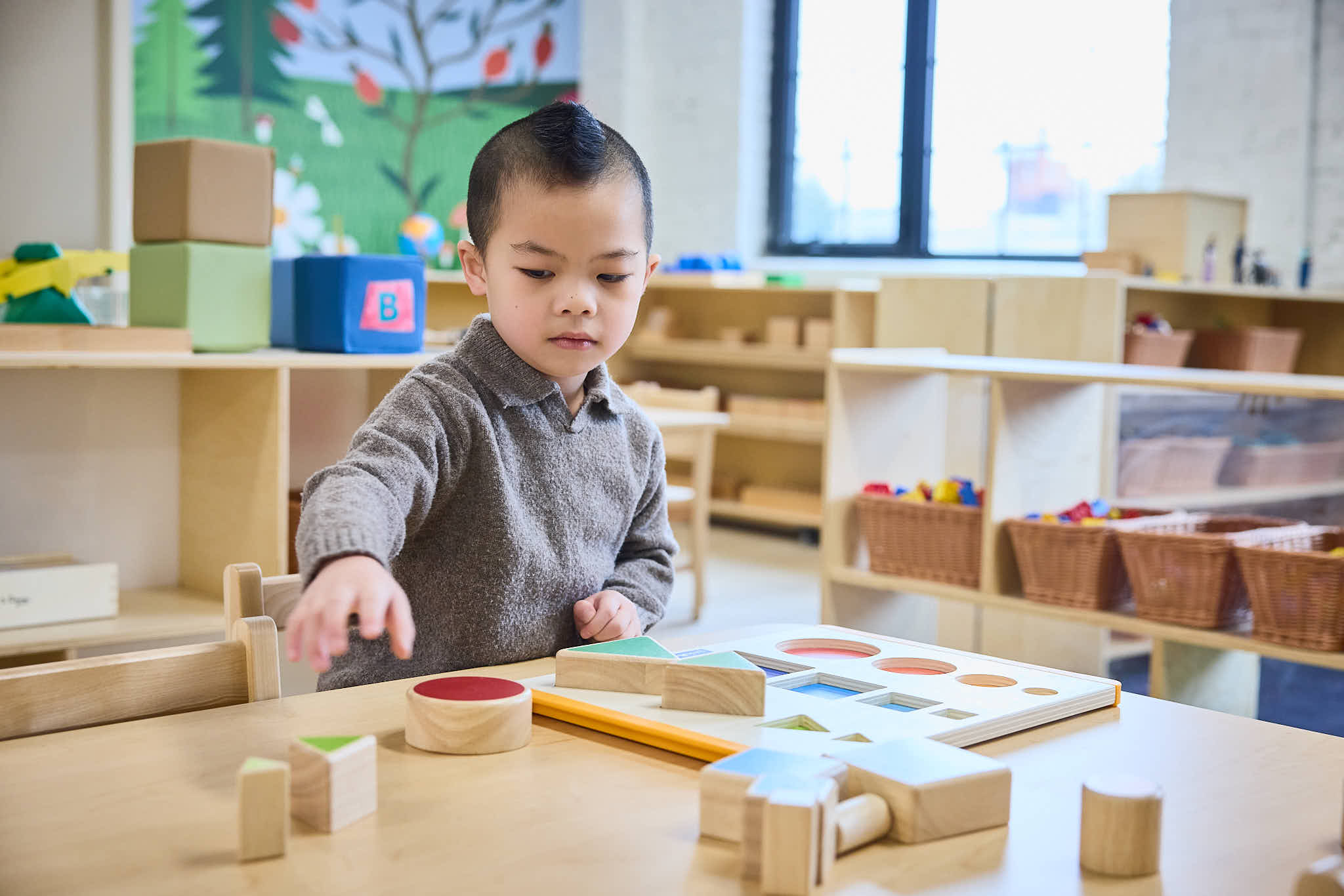
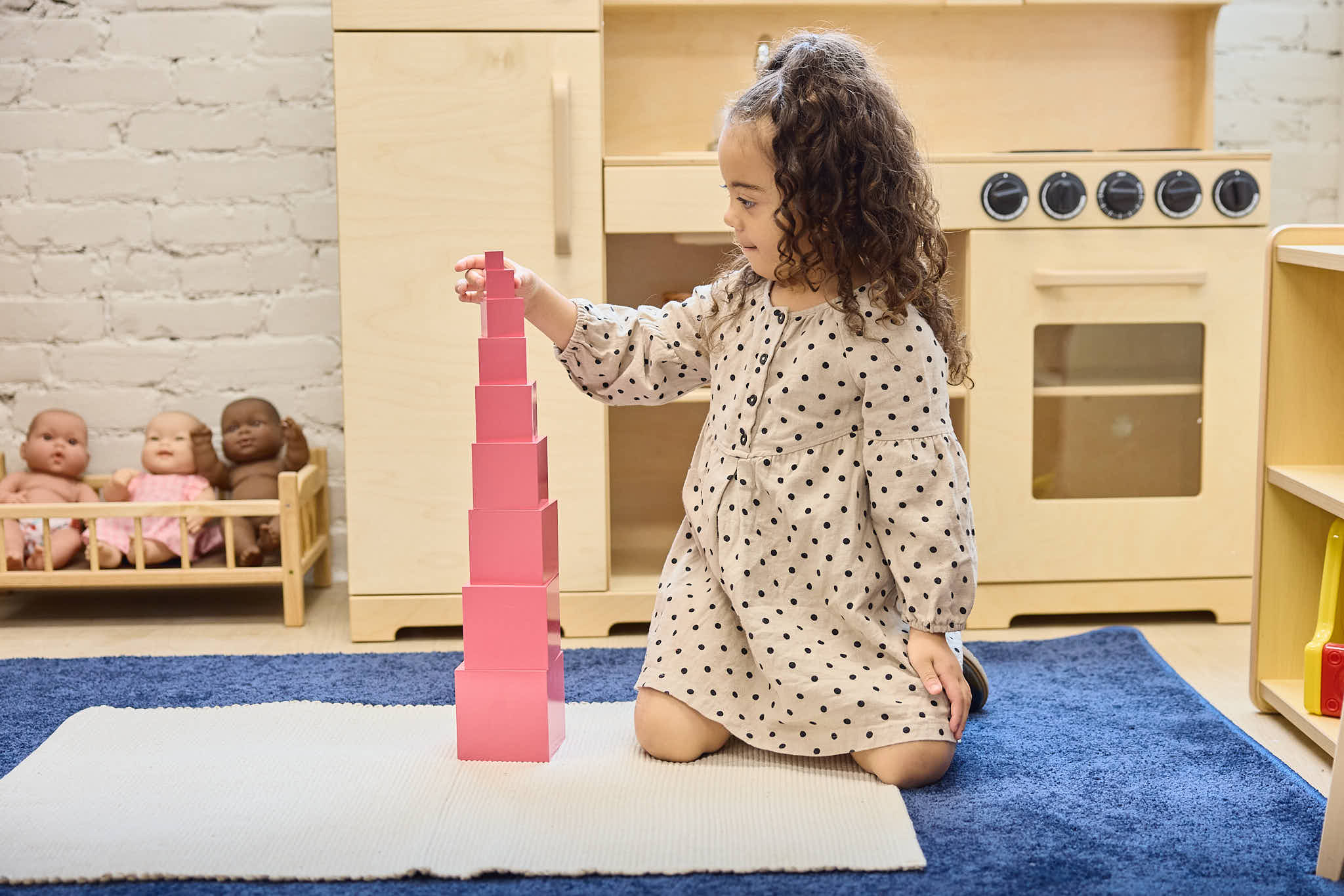
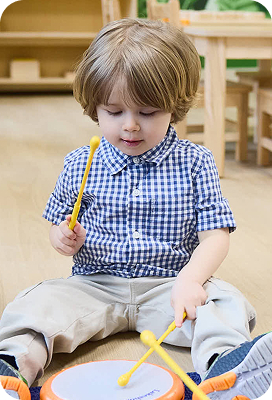
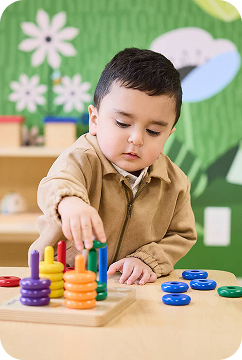
Montessori understood what neuroscience has since confirmed: hands are the gateway to the mind. When children manipulate physical materials, make real choices and experience the direct consequences of their thinking, learning becomes permanent rather than temporary. The result is a child who doesn’t just know things – they understand them.
-
Independence is developed through purposeful freedom
Freedom within a carefully prepared environment produces something extraordinary – a child who knows how to direct their own attention and take genuine ownership of their learning. Research consistently shows that this kind of self-directed experience builds the executive function, intrinsic motivation and resilience that follow children well beyond their early years.
-
The role of the educator is to guide rather than direct
In a Montessori environment, the educator’s role is to observe, prepare intentionally and intervene only when it serves the child’s development. This approach develops something no amount of instruction can manufacture – a child who thinks for themselves, solves problems independently and builds confidence through their own discoveries.



Nest-EQ
Learning Systems
Nest-EQ takes Montessori and extends it deliberately for the world children are growing into. A world where technology is reshaping how we work, solve problems and make decisions. Where the capacities that matter most are precisely the ones that can’t be automated: judgment, empathy, creativity, resilience and the confidence to think independently.

The Creating System
Imagination, design thinking, creative expression and innovation.
Creativity here is not free time. It is a cognitive capability — developed through real projects, meaningful making and the discipline of bringing original ideas to life.
- Engage in symbolic and imaginative play with growing complexity
- Design, build and revise ideas through hands-on creation
- Express identity and original thinking across multiple forms
- Take creative risks and persist through trial and iteration

The Living System
Connection, interdependence, responsibility and care for the living world.
Children learn that their actions have consequences — developing the stewardship, resilience and sense of responsibility that connects them to something larger than themselves.
- Engage with natural and shared environments as part of daily learning
- Notice change over time and across living systems
- Care for living things and take responsibility for shared resources
- Reflect on their impact and their role in the wider world

The Feeling System
Emotional intelligence, belonging and the foundations of human connection.
This is where children learn to understand themselves and others—building the empathy, self-awareness and relational skills that define genuine human capability.
- Recognize and express a full range of emotions with growing awareness
- Build meaningful relationships and navigate social experiences
- Practice care, fairness and responsibility within a group
- Develop a genuine sense of belonging and shared identity

The Thinking System
Cognitive development, critical thinking, problem-solving and curiosity.
We build children who know how to approach a problem they have never seen before — through inquiry, investigation and the confidence to revise their thinking.
- Ask questions and investigate ideas with genuine curiosity
- Examine cause-and-effect relationships through hands-on exploration
- Notice patterns, connections and relationships across experiences
- Reflect on outcomes and develop the habit of revising their thinking
Nest-EQ Systems: The Architecture of Learning
The four Nest-EQ Learning Systems are the conceptual architecture behind every experience we design, guiding curriculum, educator observation and how learning is understood over time.
The Thinking System
Cognitive development, critical thinking, problem-solving and curiosity.
We build children who know how to approach a problem they have never seen before — through inquiry, investigation and the confidence to revise their thinking.
- Ask questions and investigate ideas with genuine curiosity
- Examine cause-and-effect relationships through hands-on exploration
- Notice patterns, connections and relationships across experiences
- Reflect on outcomes and develop the habit of revising their thinking
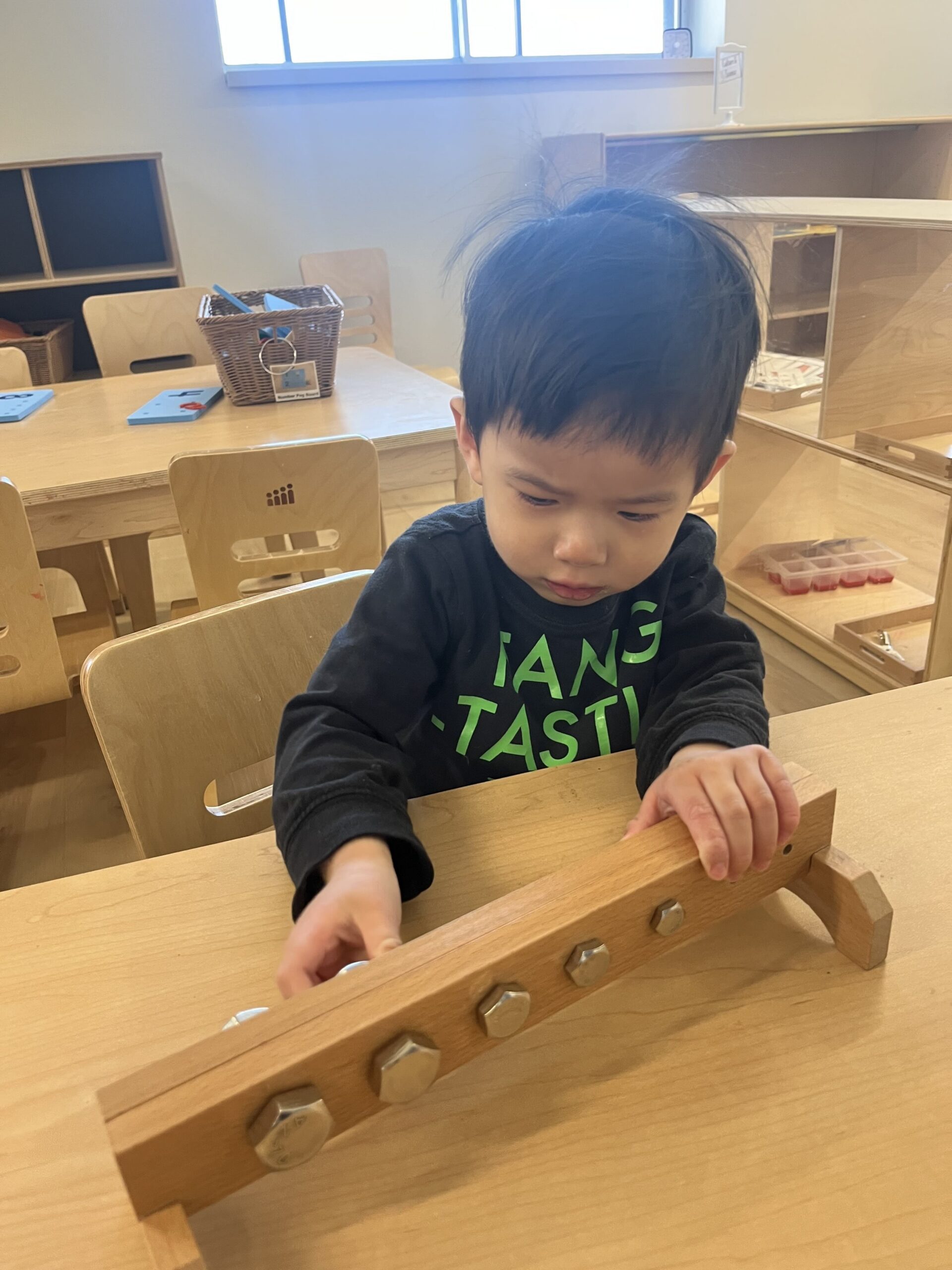
The Feeling System
Emotional intelligence, belonging and the foundations of human connection.
This is where children learn to understand themselves and others — building the empathy, self-awareness and relational skills that define genuine human capability.
- Recognize and express a full range of emotions with growing awareness
- Build meaningful relationships and navigate social experiences
- Practice care, fairness and responsibility within a group
- Develop a genuine sense of belonging and shared identity
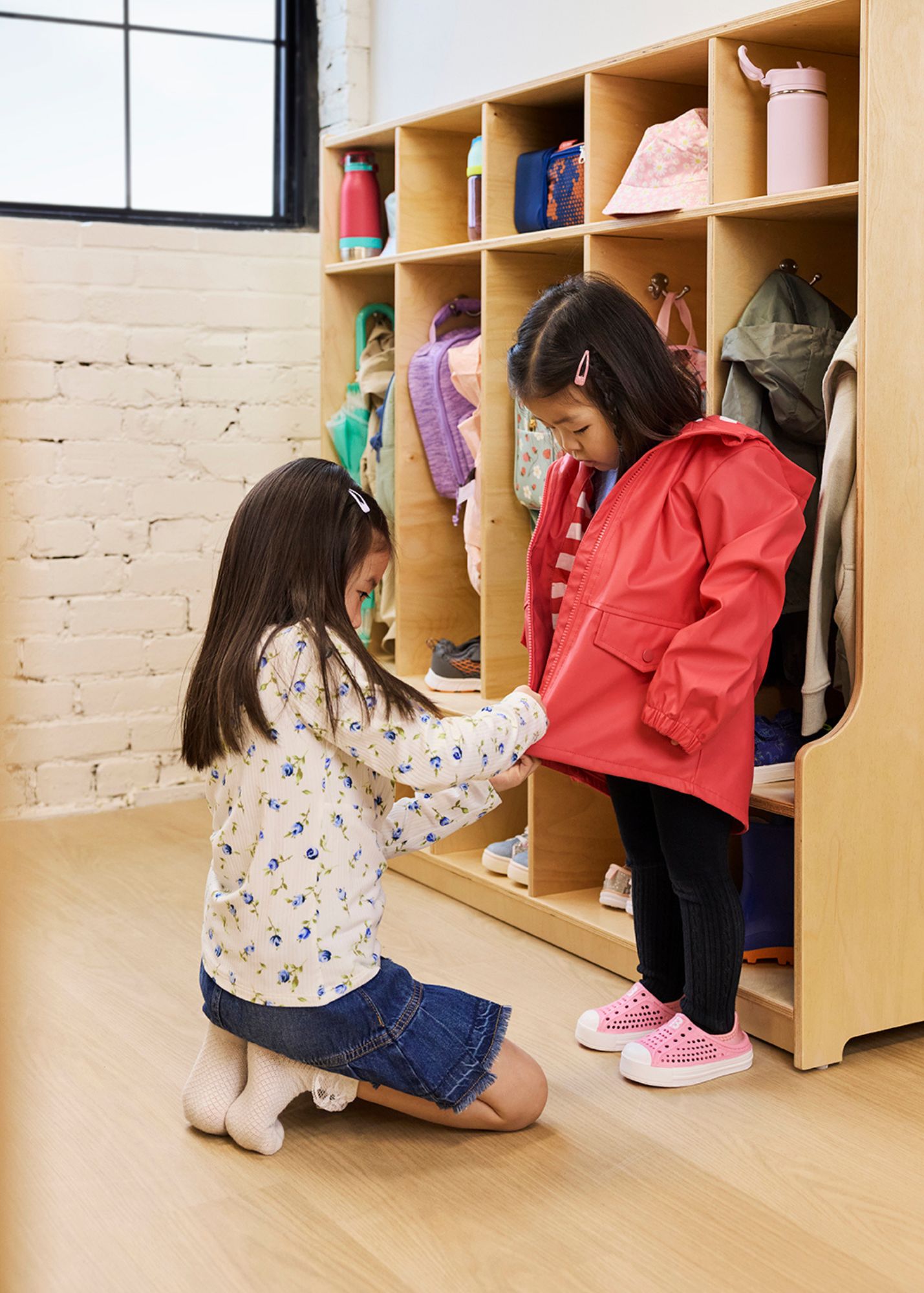
The Creating System
Imagination, design thinking, creative expression and innovation.
Creativity here is not free time. It is a cognitive capability — developed through real projects, meaningful making and the discipline of bringing original ideas to life.
- Engage in symbolic and imaginative play with growing complexity
- Design, build and revise ideas through hands-on creation
- Express identity and original thinking across multiple forms
- Take creative risks and persist through trial and iteration
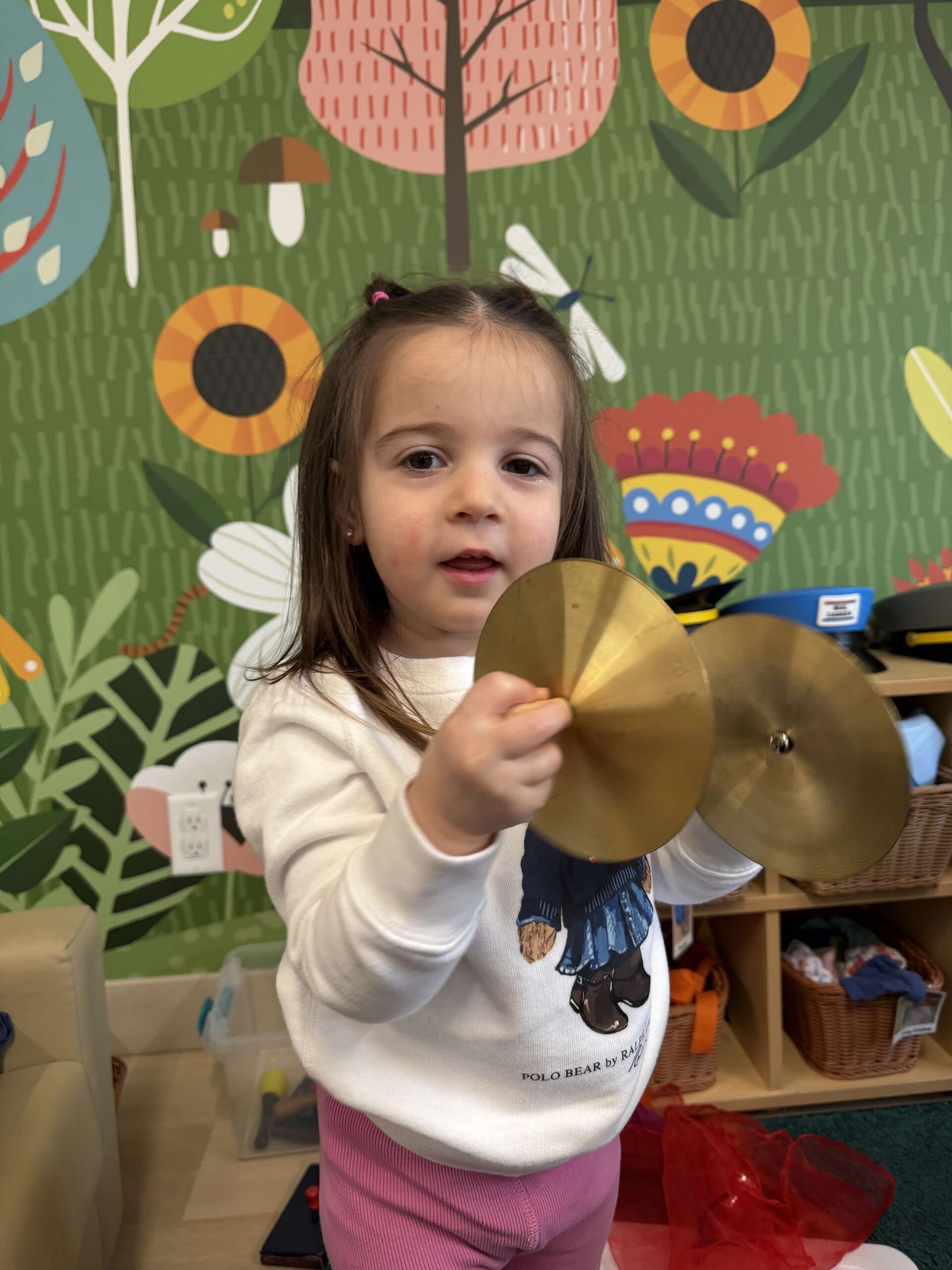
The Living System
Connection, interdependence, responsibility and care for the living world.
Children learn that their actions have consequences — developing the stewardship, resilience and sense of responsibility that connects them to something larger than themselves.
- Engage with natural and shared environments as part of daily learning
- Notice change over time and across living systems
- Care for living things and take responsibility for shared resources
- Reflect on their impact and their role in the wider world
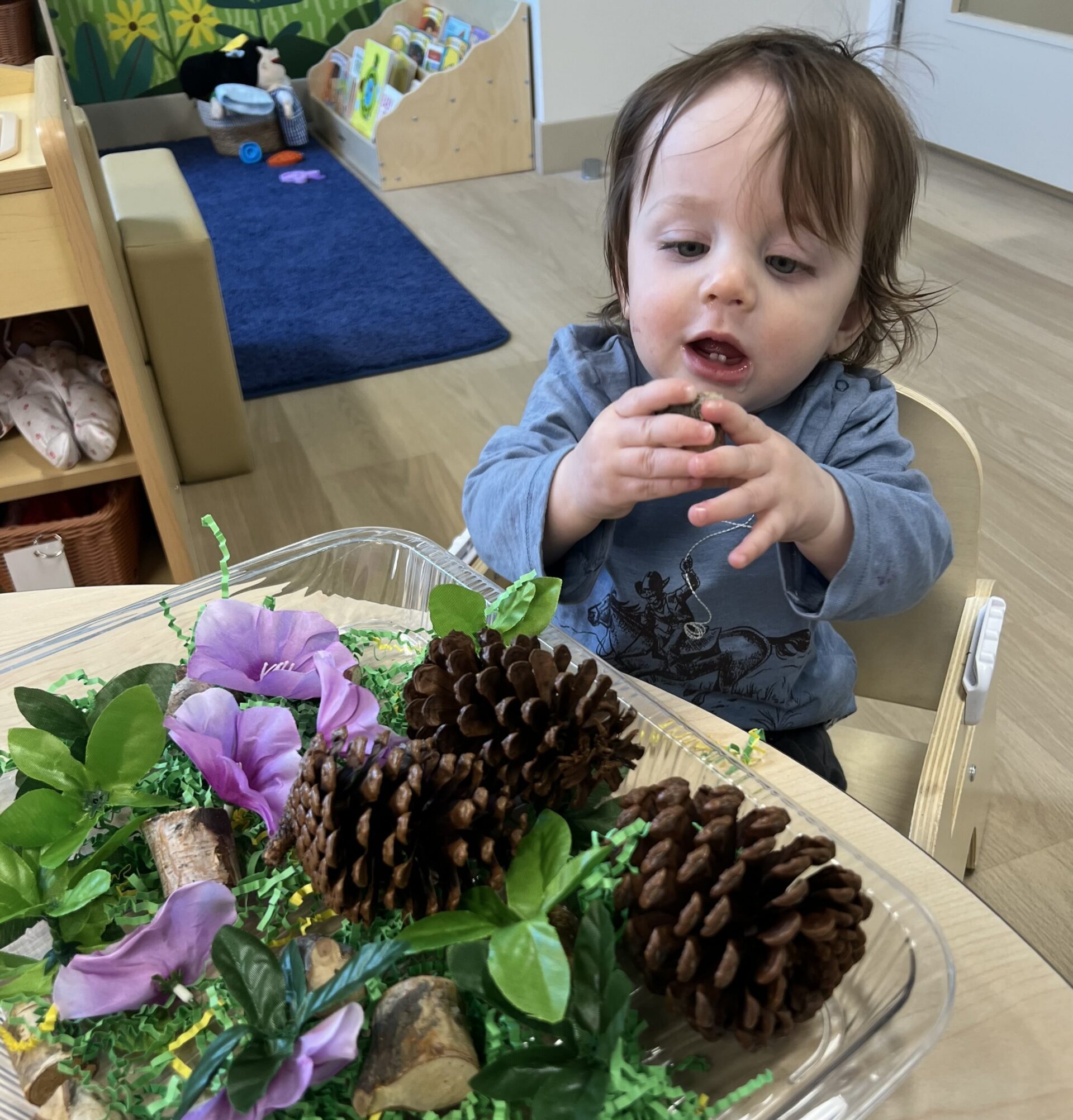
What We Build

Cognitive Capability
Cognitive Capability (IQ), the reasoning, judgment and systems thinking that makes sense of complexity

Emotional Intelligence
Emotional Intelligence (EQ), empathy and ethical reasoning that turn capable individuals into trusted leaders

Adaptive Capacity
Adaptive Capacity (AQ), the resilience, self-regulation and comfort with uncertainty that allows children to navigate a world in flux

Creative Confidence
Creative Confidence (CQ), the imagination, design thinking and originality that makes a contribution irreplaceable

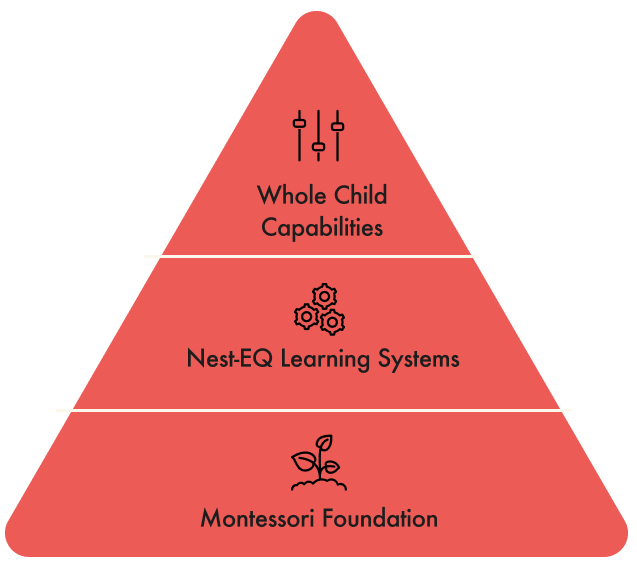
Most early childhood programs have activities, Nest-EQ has architecture. Three interconnected components – each purposeful, each essential – designed to develop the full range of what your child is capable of becoming.
Rooted in Montessori. Designed for the future.
- Montessori Foundation: An evidence-based proven curriculum that has been in existence for over 100 years.
- Nest-EQ Learning Systems: Proprietary architecture that is future forward and guides how children are learning.
- Whole Child Capabilities: The human capabilities no algorithm can replicate - emotional intelligence, resilience, critical thinking and creative confidence.
Our Academies
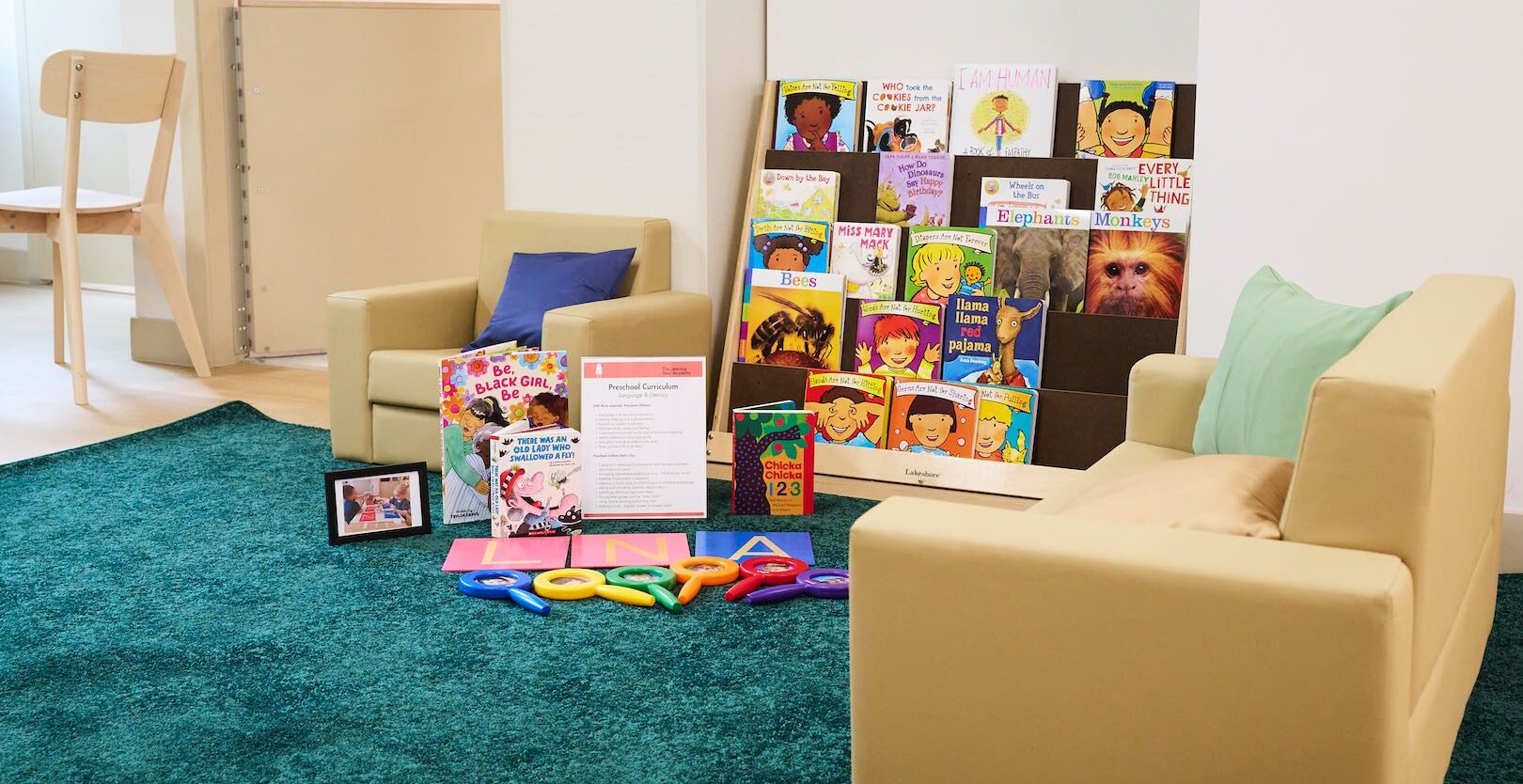
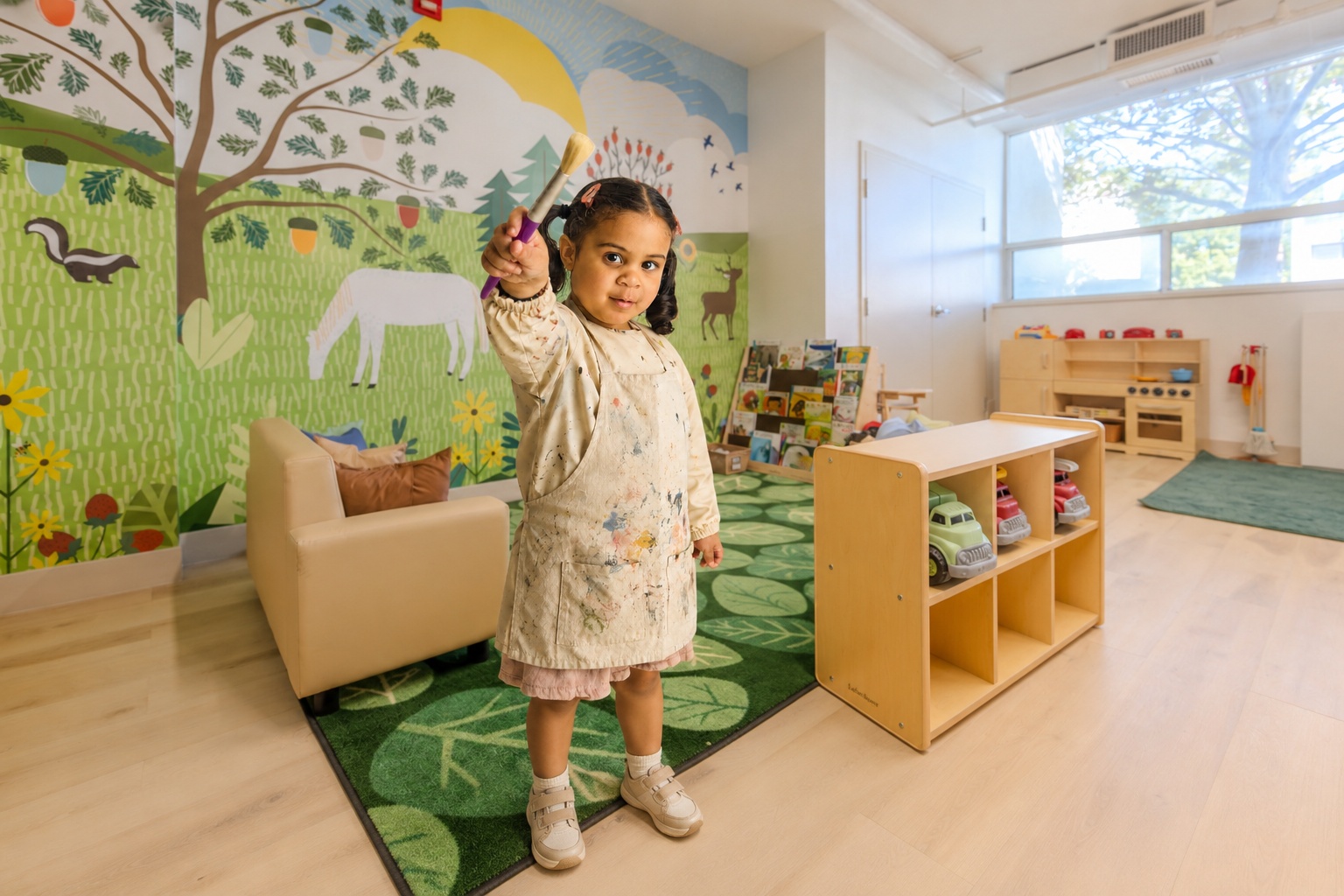
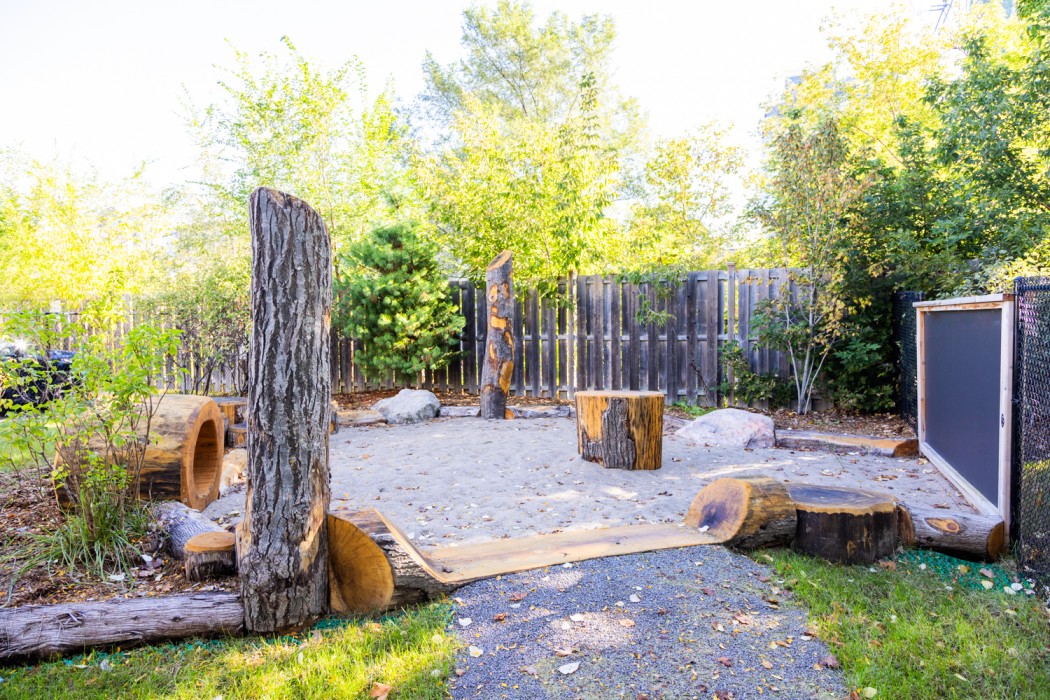
Our classrooms are designed to feel like a second home. With an abundance of natural light, engaging materials and soothing environments, we give your child the ideal space to explore and learn safely. Each classroom is also home to our signature Nest Studios – purposefully designed zones that bring specific areas of development into focus within one connected space.
Our Programs
We believe how a child experiences their earliest years shapes everything that follows. Every stage of early childhood is distinct – and the capacities that will define your child’s future are shaped through Nest-EQ. That’s why every program we offer is designed with both the child’s present and their future in mind.
Infants
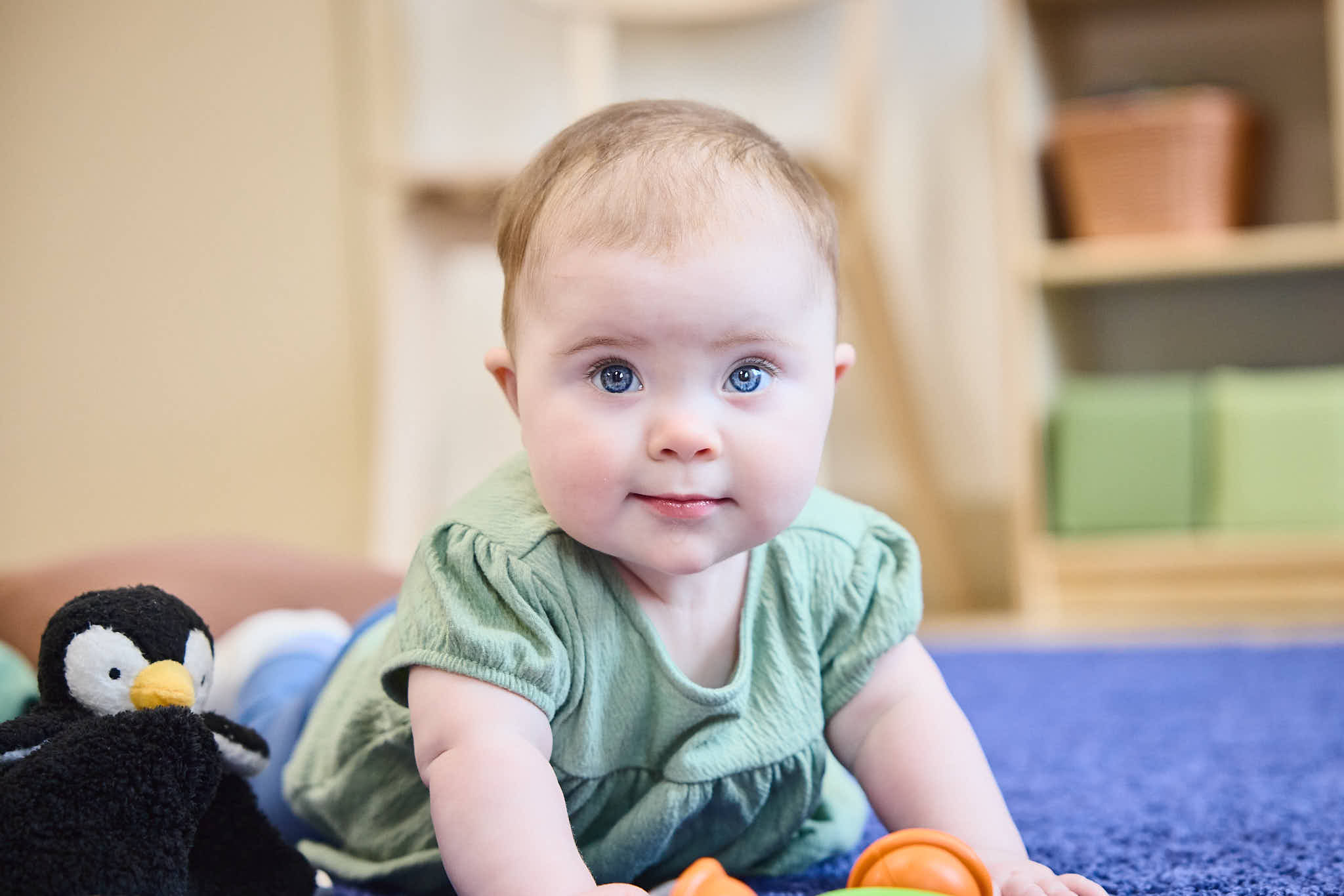
In Infants, we build the foundations that everything else rests on: security, attachment and a deep sense of self.
Toddlers
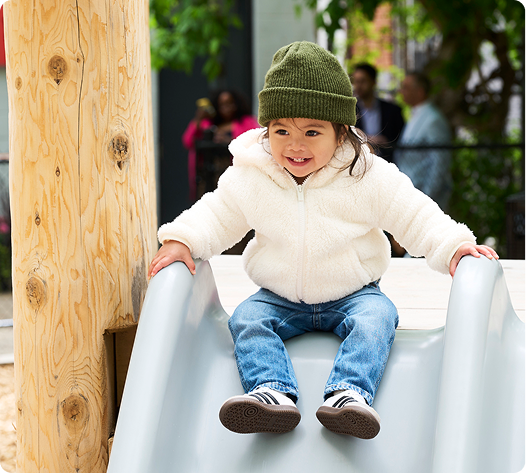
In Toddlers, we channel their fierce drive for independence into the confidence to explore, to question and to try again.
Preschool
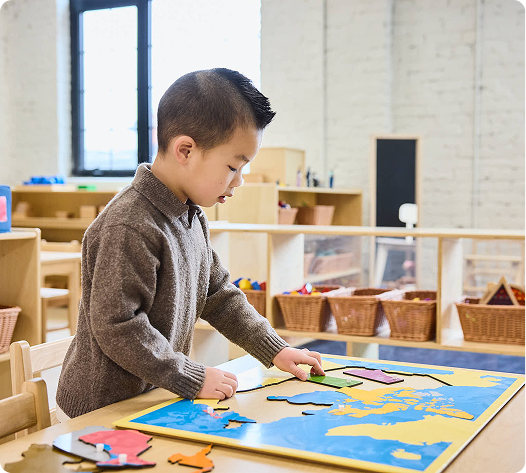
In Preschool, we cultivate original thinkers who are resilient, collaborative and confident in their own voice.
