At The Learning Nest, we know toddlers learn best when they’re engaged in meaningful, hands-on activities. Games aren’t just about fun, they’re powerful tools for early childhood development. When thoughtfully chosen, toddler games can spark communication, encourage cooperation and strengthen the skills children need for lifelong learning.
Whether you’re at home or looking to complement our daycare programs in North York or The Junction, these educator-approved toddler games blend activities, creativity and social connection, all while supporting essential milestones in children aged 18 months to 3 years.
Why Games Matter in the Toddler Years
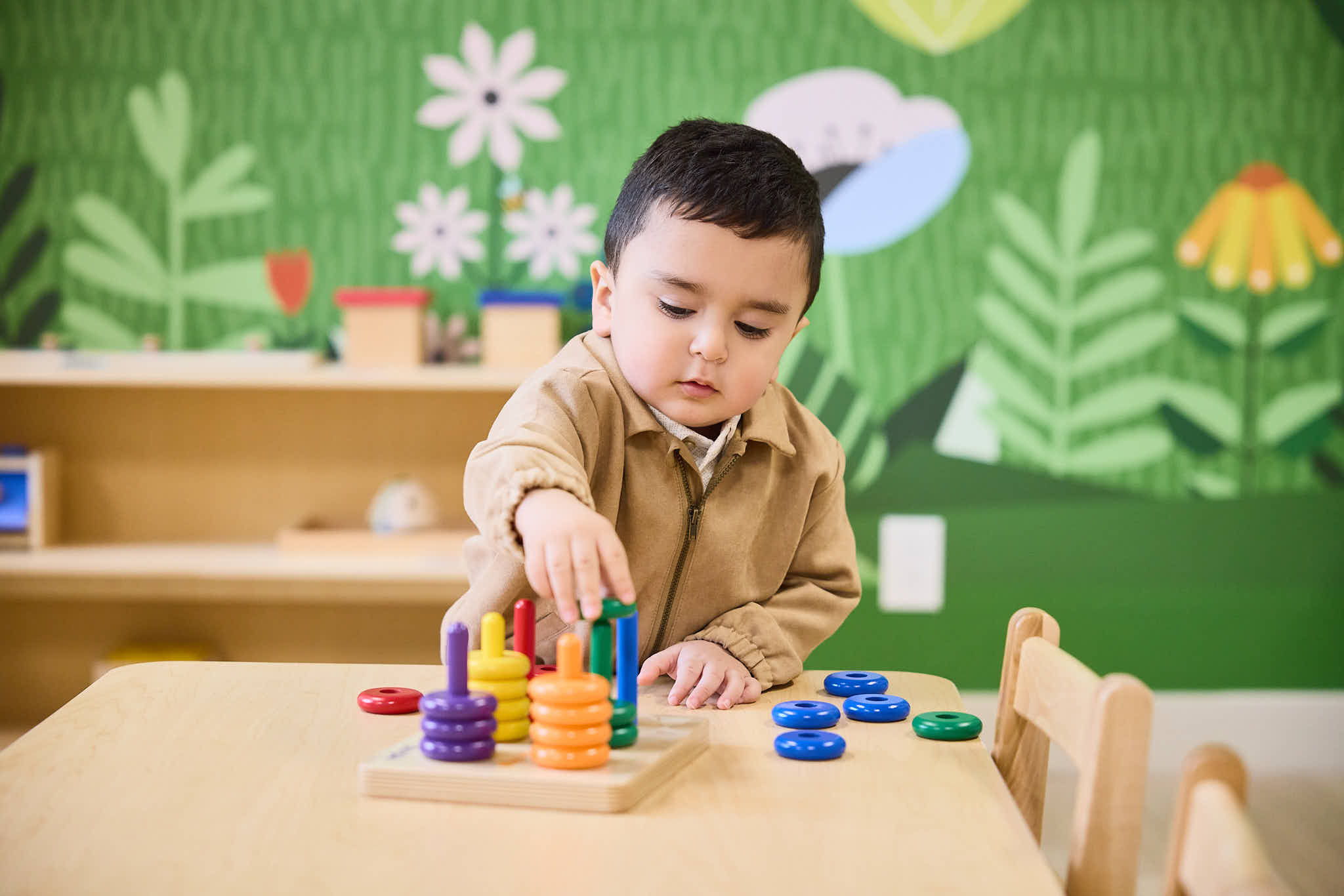
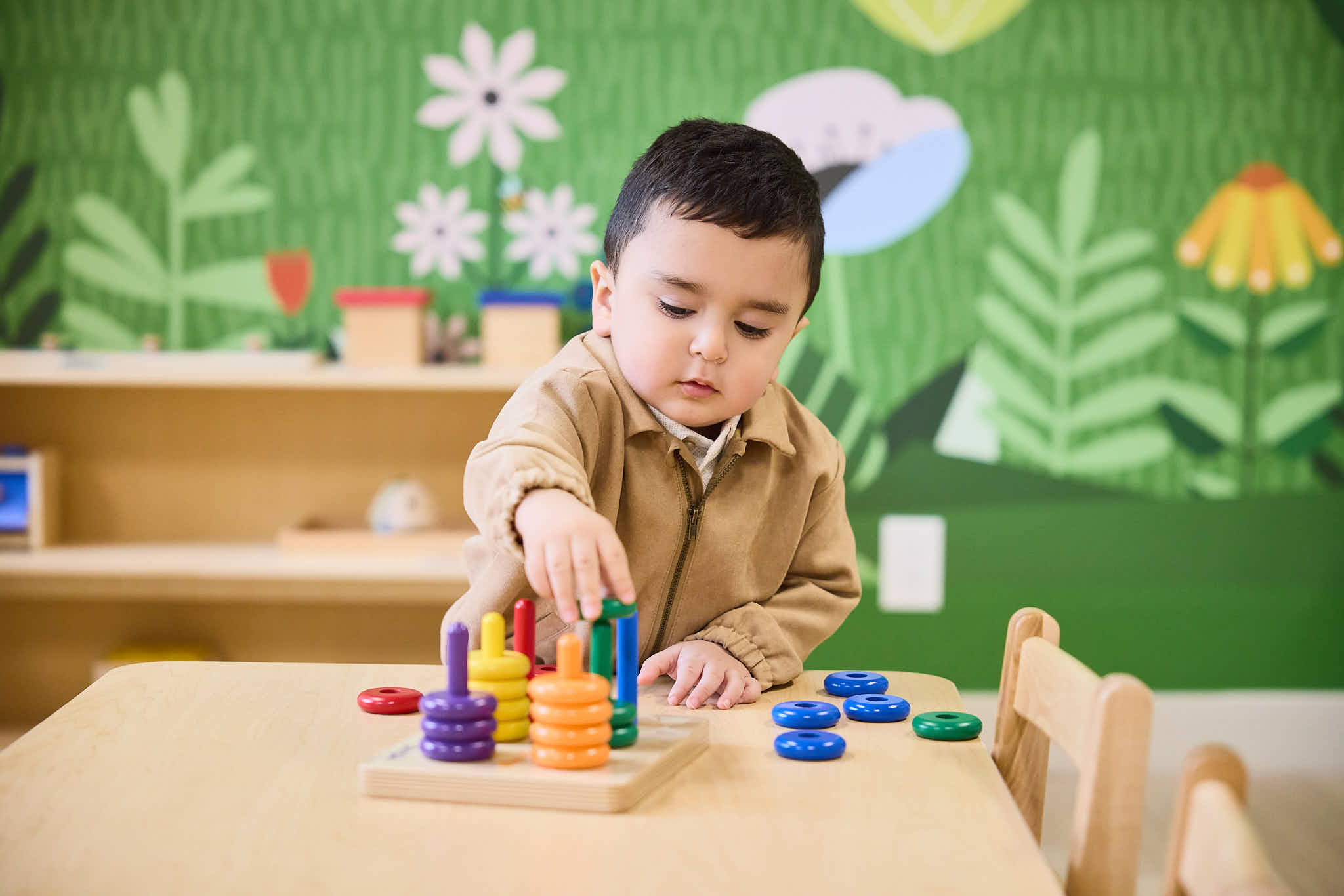
Toddler playing on a table
Toddlerhood is a time of tremendous growth. Children are learning to:
- Express emotions and ideas
- Engage in back-and-forth interaction
- Explore problem-solving and decision-making
- Develop hand-eye coordination and gross motor control
Games that are open-ended, sensory-rich or involve cooperative movement are perfect for nurturing these milestones. At The Learning Nest, we weave similar game-based experiences into daily routines where children grow through shared experiences.
Let’s look at 8 of the best toddler-friendly games that educators and families alike love.
1. Freeze Dance
What You Need: A playlist of toddler-friendly music and a bit of space to move.
How It Works: Play music and let children dance freely. Pause the music randomly and call out “Freeze!” Everyone must stop dancing and hold their pose.
Why It’s Great:
- Teaches impulse control and listening skills
- Develops balance and body awareness
- Encourages group participation and silliness
Educator Tip: Add themes like “freeze like an animal” to support imagination and vocabulary.
2. Color Scavenger Hunt
What You Need: Colour cards or household objects of specific colours.
How It Works: Call out a colour (“Find something red!”) and your toddler searches the room to match it.
Why It’s Great:
- Supports early colour recognition
- Encourages movement and observation
- Boosts verbal communication
This kind of guided exploration is similar to how we design our learning provocations at The Learning Nest, encouraging discovery in a prepared environment.
3. “Roll & Move” Dice Game
What You Need: A homemade movement dice (sides labeled with actions like jump, crawl, spin).
How It Works: Toddlers take turns rolling the dice and performing the movement shown.
Why It’s Great:
- Builds gross motor skills
- Encourages turn-taking
- Introduces simple cause and effect
This is also highly customizable. By including actions like ‘giving a high five’ or ‘roaring like a lion,’ you’re adding a layer of social-emotional learning.
4. Shape Sorting Race
What You Need: Foam or cardboard shapes and shape outlines drawn on paper or a mat.
How It Works: Toddlers run to find a shape, name it and match it to the outline.
Why It’s Great:
- Boosts shape recognition and categorization
- Encourages physical coordination
- Introduces early math concepts
Open-ended games like this echo the problem-solving invitations found in our preschool classrooms at The Learning Nest, where children build early numeracy.
5. “Yes/No” Game with Stuffed Animals
What You Need: A few favourite stuffed toys or dolls.
How It Works: You ask silly yes/no questions about the toys (“Does the teddy wear a hat?”). Toddlers answer by nodding, shaking their head or using words.
Why It’s Great:
- Builds comprehension and early reasoning
- Encourages expressive language
- Strengthens understanding of yes/no logic
This is especially useful for toddlers in early language development — a key focus of our infant program using Baby Signs and verbal cues.
6. Obstacle Course
What You Need: Pillows, tunnels, balance beams (or painter’s tape to mark paths).
How It Works: Set up a short course with different stations to climb over, crawl under or walk along.
Why It’s Great:
- Builds spatial awareness and motor planning
- Fosters resilience and risk-taking
- Offers confidence-building success
Physical games like this are common in our naturalized outdoor classrooms, where children are encouraged to move freely and safely challenge themselves.
7. What’s Missing? (Memory Game)
What You Need: A tray with 3–5 familiar objects.
How It Works: Show the objects, then cover them. Remove one, reveal the tray again and ask your child what’s missing.
Why It’s Great:
- Strengthens working memory and focus
- Encourages vocabulary recall
- Builds visual discrimination skills
We use similar memory games during our indoor group times to support cognitive development and observation skills.
8. Animal Charades
What You Need: Animal cards or pictures (or just verbal prompts!)
How It Works: You act like an animal and your child guesses. Then switch roles.
Why It’s Great:
- Boosts expressive language
- Supports imagination and symbolic thinking
- Encourages turn-taking and laughter
This is a core part of our approach at The Learning Nest, helping children express feelings and practice empathy.
Tips for Successful Toddler Game Time
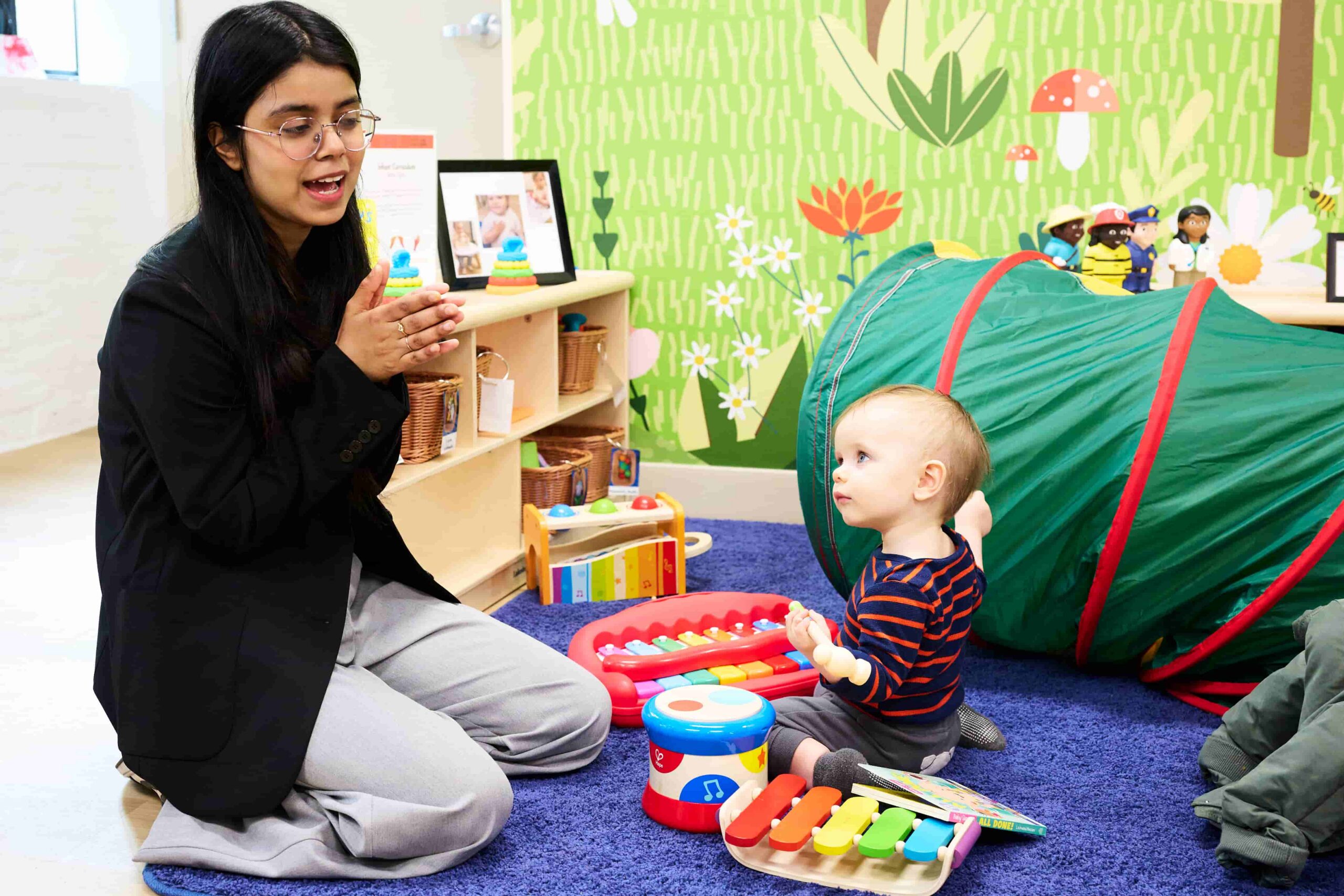
- Keep it short and sweet. Attention spans are still developing, so 5–10 minutes of play can be plenty.
- Follow their lead. Toddlers will often want to repeat a favourite part or change the game — go with it!
- Use everyday materials. No need to buy fancy kits. Pillows, spoons, scarves or tape can turn into game props.
- Model the behaviour. If you’re excited and participating, your toddler will be too.
How The Learning Nest Brings Game-Based Learning Into the Classroom
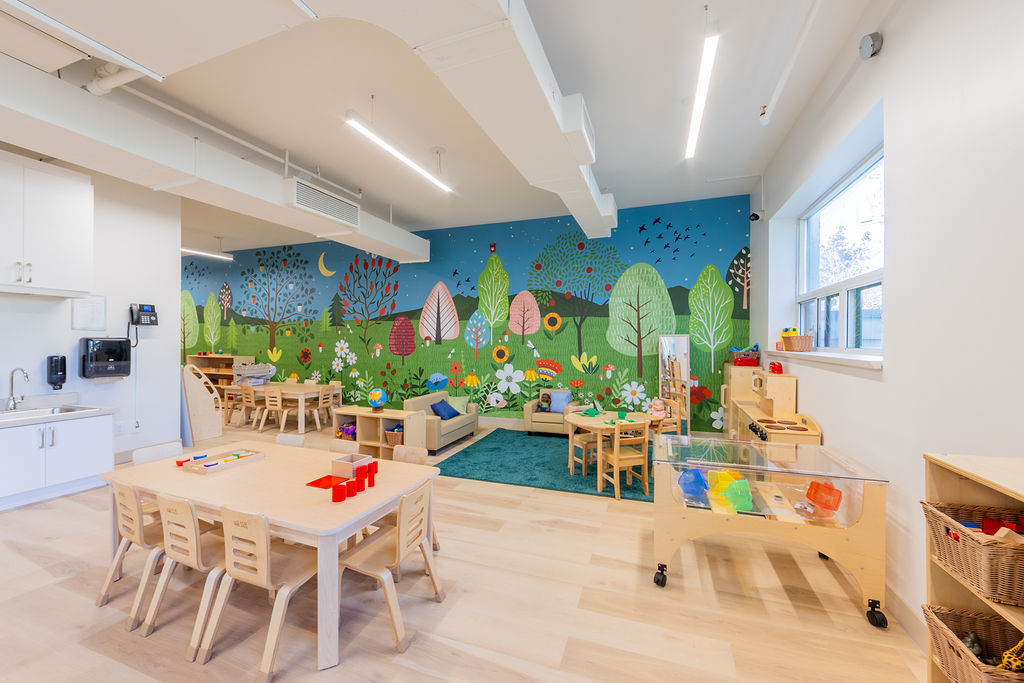
At The Learning Nest, we design our programs around children’s natural curiosity and the power of social interaction. Whether they’re rolling a ball to a friend, helping tidy up as part of a team or building a story tower with peers — every experience is purposeful.
Our Toddler Program and Preschool Program integrate:
- Open-ended games that promote imagination and cooperation
- Intentional materials that support motor and cognitive development
- Peer-based interactions that teach empathy and emotional regulation
Educators help toddlers take the lead, experiment and grow into confident, independent learners.
Ready to Learn, and Grow?
Game-based learning is more than just a way to pass the time. For toddlers, it’s how they explore their world, connect with others and build the skills that will shape their school years and beyond.
If you’re looking for a child care program that values communication and developmental milestones, The Learning Nest in North York and The Junction may be the perfect fit for your family.
Schedule a tour to see how our programs bring learning to life!