
In today’s fast-paced, screen-saturated world, more and more parents are asking an important question: what kind of screen time is actually healthy for toddlers? While educational programming has come a long way, not all shows are created equal, especially for young, developing minds. Loud music and flashing visuals can overwhelm toddlers’ still-developing sensory systems. That’s where low-stimulation shows come in.
These calming, slow-paced programs help toddlers wind down while promoting language development, attention span and emotional regulation, without overstimulating them. In this blog, we’ll explore the value of low-stimulation shows, share parent-approved picks and offer tips on how to approach screen time in a mindful, developmentally appropriate way.
Why Low-Stimulation Programming Matters for Toddlers
The toddler brain is growing at an astonishing rate. From birth to age 3, more than one million neural connections form every second. During this window, children need time to process experiences, develop emotional control and make sense of the world around them.
High-stimulation media, think fast cuts, bright flashes and loud audio, can hijack their attention systems and lead to:
- Shorter attention spans
- Difficulty with emotional regulation
- Sleep disruption
- Increased irritability or hyperactivity
Low-stimulation shows, on the other hand, align better with how toddlers naturally engage and learn. These shows typically include:
- Slower pacing
- Simple language
- Repetitive or familiar themes
- Gentle soundtracks
- Minimal background noise
This makes it easier for toddlers to process what they see and hear, apply it to their world and feel calm while watching.
The Role of Screen Time at The Learning Nest
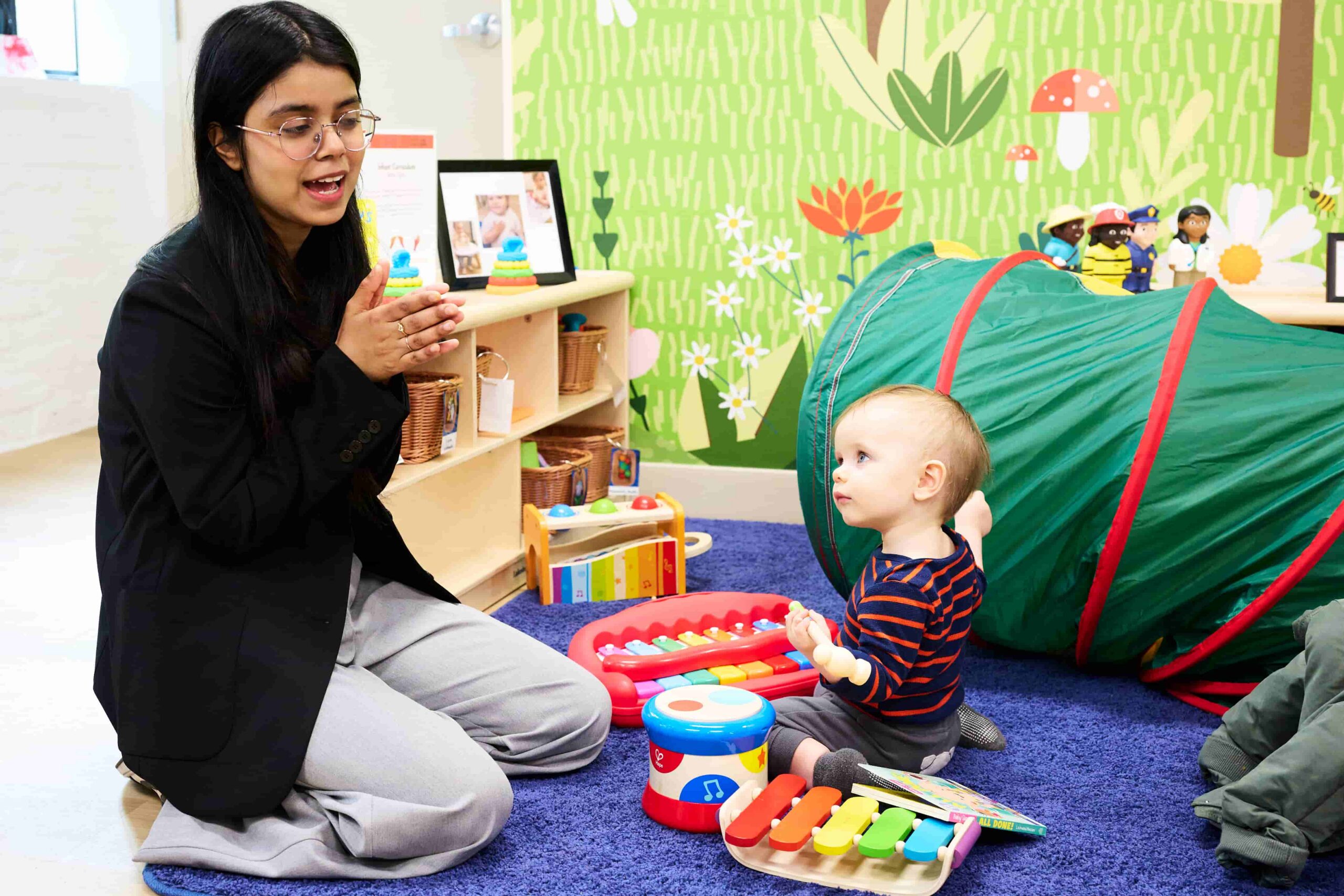
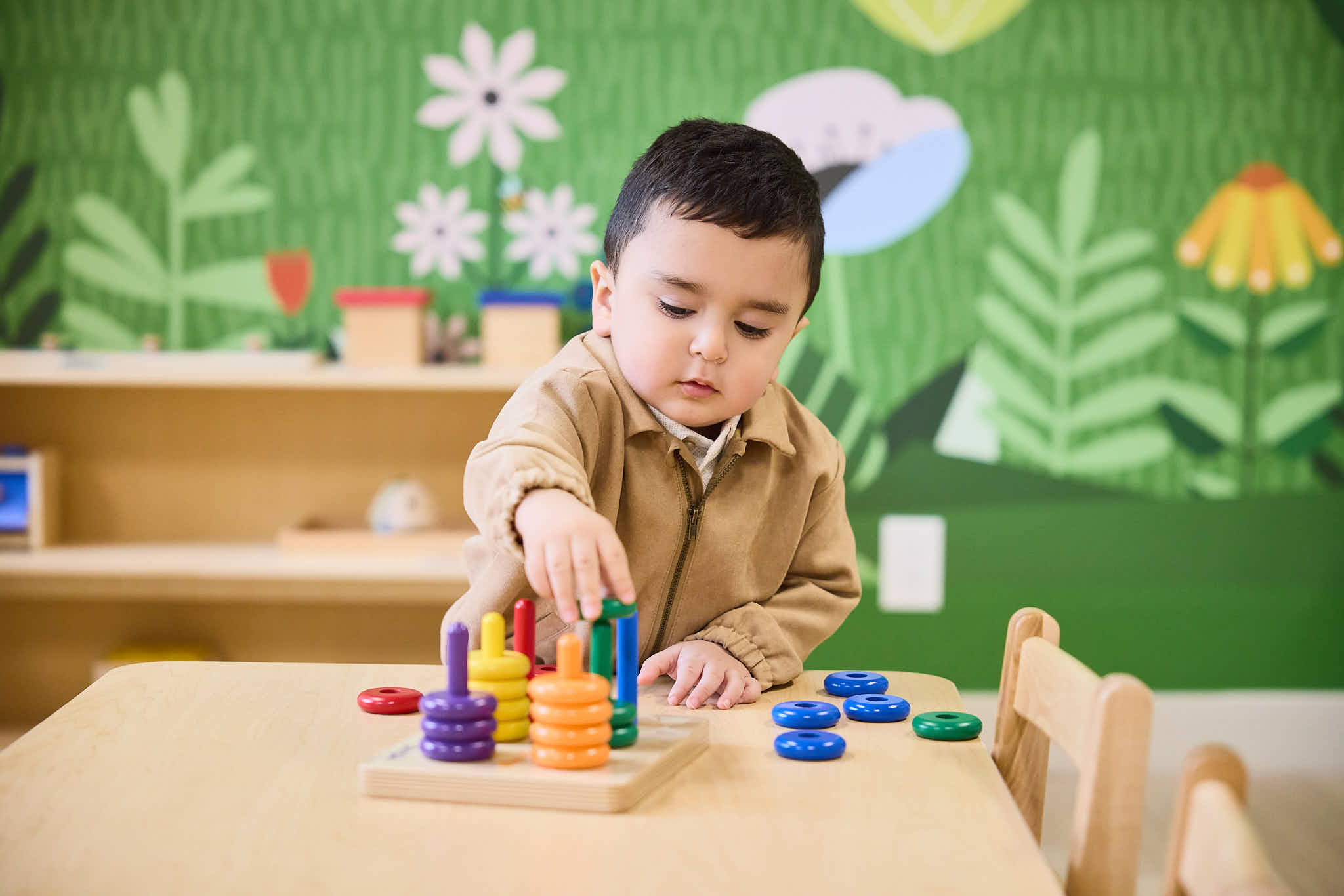
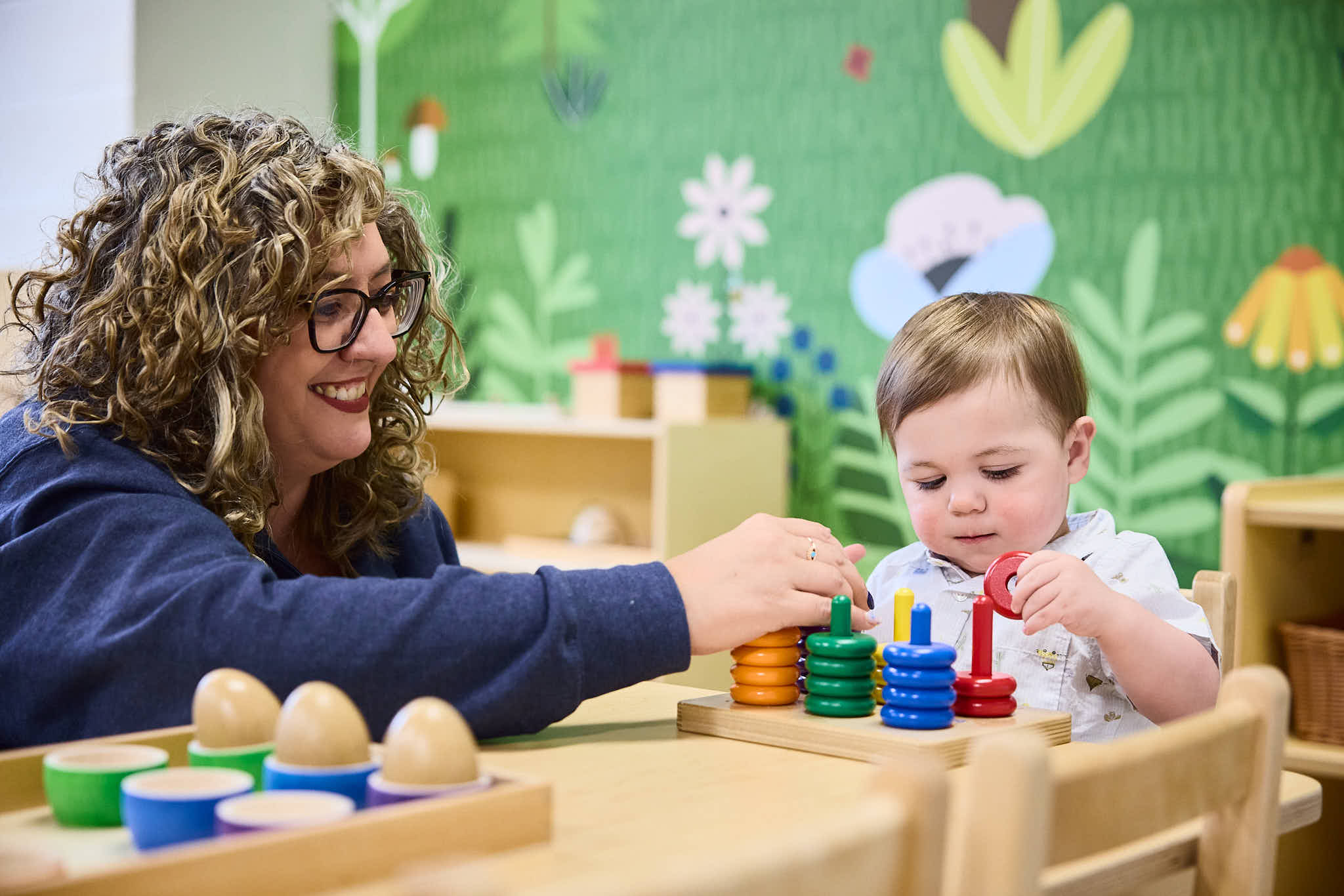
At The Learning Nest, we prioritize active, social and hands-on learning over passive screen time, especially during the critical early years. Our classrooms are screen-free zones, focused instead on Montessori-aligned materials, sensory activities, and storytelling that develop real-world communication and problem-solving.
But we understand that at home, screen time is sometimes a practical tool, especially when used intentionally. Whether it’s for winding down before bedtime, helping a toddler reset after a tantrum or offering a quiet break during a busy day, the right show can complement, not replace, active learning.
Top Low-Stimulation Shows for Toddlers
Here’s a curated list of toddler-friendly, low-stimulation shows that support healthy development, along with what makes each one special.
1. Bluey (Disney+)
Age: 2+
A gentle, relatable show about a blue heeler pup named Bluey and her family, this series models imaginative play, problem-solving and emotional growth.
Why it matters: Bluey portrays realistic, warm family dynamics and helps toddlers understand emotions, relationships, and empathy. Its calm pacing and soft visuals make it ideal for young viewers.
2. Puffin Rock (Netflix)
Age: 2+
Set on a scenic island, this beautifully animated series follows Oona the puffin and her baby brother Baba. Narrated by Chris O’Dowd, the tone is soothing and the visuals are nature-inspired.
Why it matters: Puffin Rock promotes early science concepts like seasons, animal habitats and natural cycles in a calm and nurturing way.
3. Daniel Tiger’s Neighborhood (PBS Kids, YouTube)
Age: 2+
Based on the legacy of Mister Rogers, this show uses songs and routines to help children learn about emotions, routines and social skills.
Why it matters: Daniel Tiger offers powerful emotional coaching tools and uses repetition to reinforce messages, ideal for toddlers learning self-regulation.
4. Franklin and Friends (Amazon Prime, YouTube)
Age: 2+
Franklin the turtle is kind, thoughtful and always ready to problem-solve. Each episode centers around friendship, cooperation or gentle life lessons.
Why it matters: Its slow narrative structure and nature-based visuals support calm cognitive processing and healthy modeling of social behavior.
5. Sarah & Duck (YouTube, BBC)
Age: 2+
A quirky and quietly funny British show, Sarah and her pet duck go on small-scale adventures filled with curiosity, problem-solving and imagination.
Why it matters: Its minimalist animation style and calm narration reduce sensory overload, making it perfect for sensitive toddlers.
6. Little Bear (YouTube, Apple TV)
Age: 2+
This 90s classic features Little Bear and his animal friends engaging in imaginative and thoughtful activities. It’s charming, whimsical and timeless.
Why it matters: The show encourages gentle exploration and storytelling, nurturing emotional resilience and empathy.
7. Teletubbies: Classic Episodes (YouTube)
Age: 1–2
Teletubbies’ repetitive structure, slow pace and clear visuals are actually designed with toddlers in mind.
Why it matters: It supports early speech, prediction and sensory processing, especially in very young or language-delayed children.
8. Llama Llama (Netflix)
Age: 2+
Based on the beloved book series, this show teaches children about patience, frustration, family and kindness.
Why it matters: It’s grounded in real-life toddler experiences and presents problems in ways young children can understand and learn from.
9. Tumble Leaf (Amazon Prime)
Age: 2+
A stunning stop-motion show about Fig the fox, who learns about the world through experimentation and curiosity.
Why it matters: Tumble Leaf seamlessly introduces STEM concepts (cause and effect, observation, measurement) in a story-driven way that’s both calming and enriching.
10. Poko (YouTube)
Age: 2+
This low-animation Canadian series follows a young boy and his dog through simple, open-ended play stories. A perfect wind-down show.
Why it matters: With minimal dialogue and background music, it encourages attention, prediction and storytelling without overstimulation.
Tips for Mindful Screen Time at Home
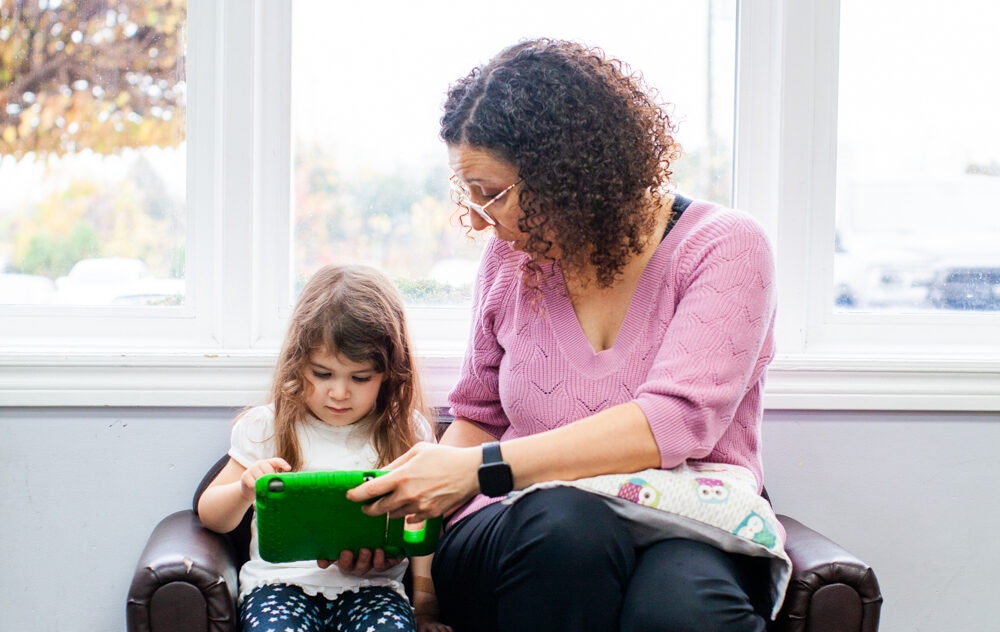
Child using tablet held by adult while they’re sitting on a couch
While high-quality shows have their place, screen time should still be balanced with real-world experiences. Here are a few ways to use screen time intentionally:
1. Watch Together When Possible
Co-viewing helps you pause, ask questions and connect learning to real-life experiences. Try saying:
- “How do you think Daniel Tiger felt when he was left out?”
- “Can you make a tower like the one on Puffin Rock?”
2. Use Screens Strategically
Opt for short episodes during:
- Wind-down time (before nap or bedtime)
- Quiet time while a sibling naps
- Transition moments (e.g., after coming home from daycare)
Avoid screens right before bed, blue light can disrupt melatonin production and sleep cycles.
3. Balance Passive with Active Learning
After watching an episode, invite your toddler to draw a character, act out a scene or retell the story. This helps embed the learning and encourages language and memory development.
How The Learning Nest Aligns with Low-Stimulation Learning
At The Learning Nest, our educators take a screen-free approach during the day, focusing on real, hands-on learning experiences to promote language growth, sensory exploration and emotional regulation.
Our toddler classrooms are designed with:
- Soft lighting and neutral tones for sensory comfort
- Montessori-aligned toys that promote focus, choice and motor skills
- Emotional coaching, helping toddlers name their feelings and develop empathy
- Daily storytelling, music and dramatic play that build foundational literacy and confidence
Just like the best shows on this list, our environment promotes calm engagement, not overstimulation.
When chosen thoughtfully, low-stimulation shows for toddlers can serve as a calming, supportive tool in a parent’s toolkit. These programs mirror the kind of mindful, developmentally aligned learning The Learning Nest offers every day, where curiosity is celebrated, emotional growth is supported and each child’s pace is respected.
Looking to support your toddler’s development through play, conversation and calm engagement? Explore our toddler program or book a tour to learn more.