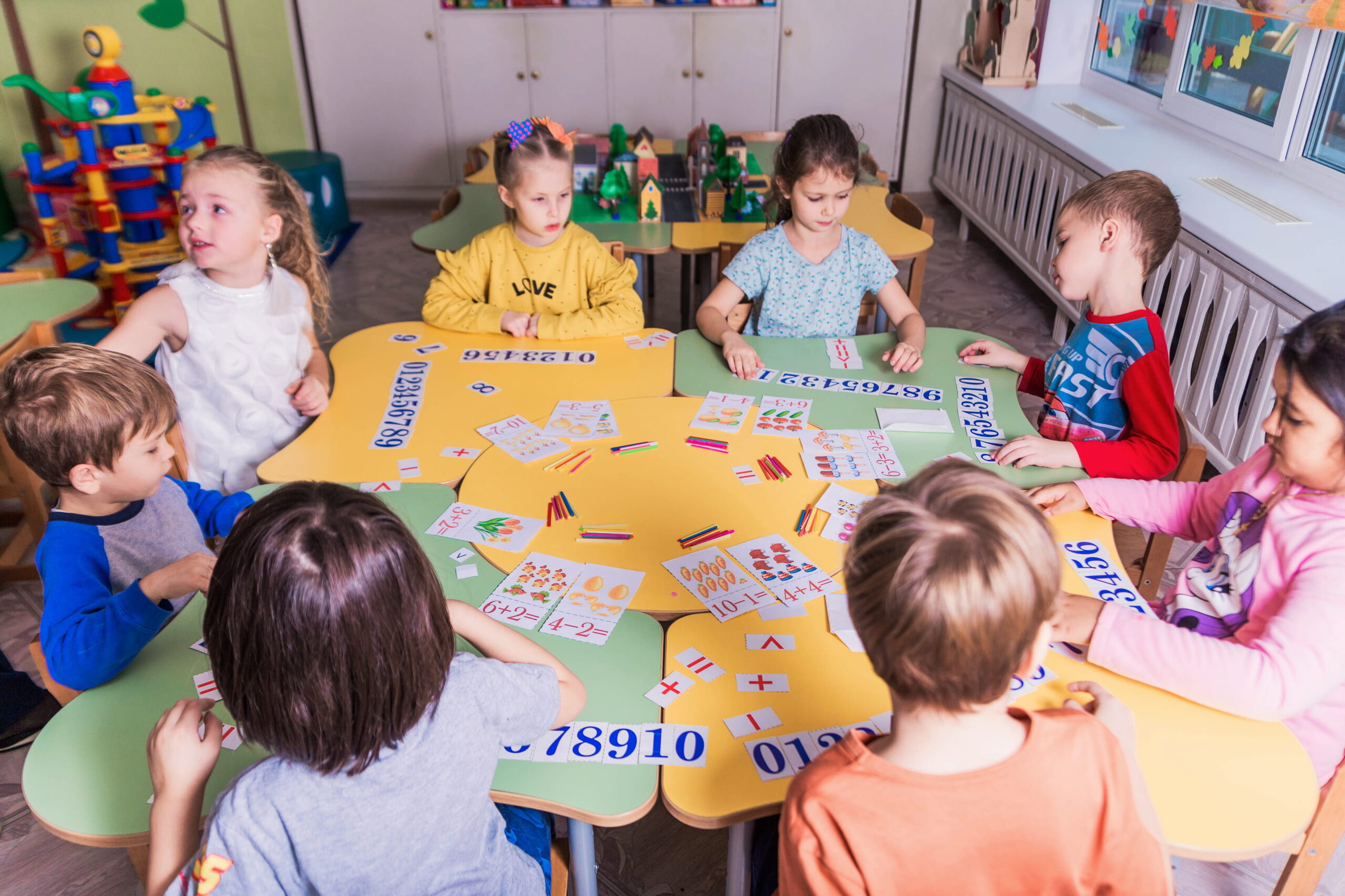
Language is the foundation of a child’s ability to communicate, connect, and learn. During the preschool years when curiosity is high and vocabulary is rapidly expanding, strong language skills support everything from social confidence to early literacy. This stage is also where children develop essential tools for expressing thoughts, navigating emotions, and participating in the world around them.
Why Language Development Matters in Early Childhood
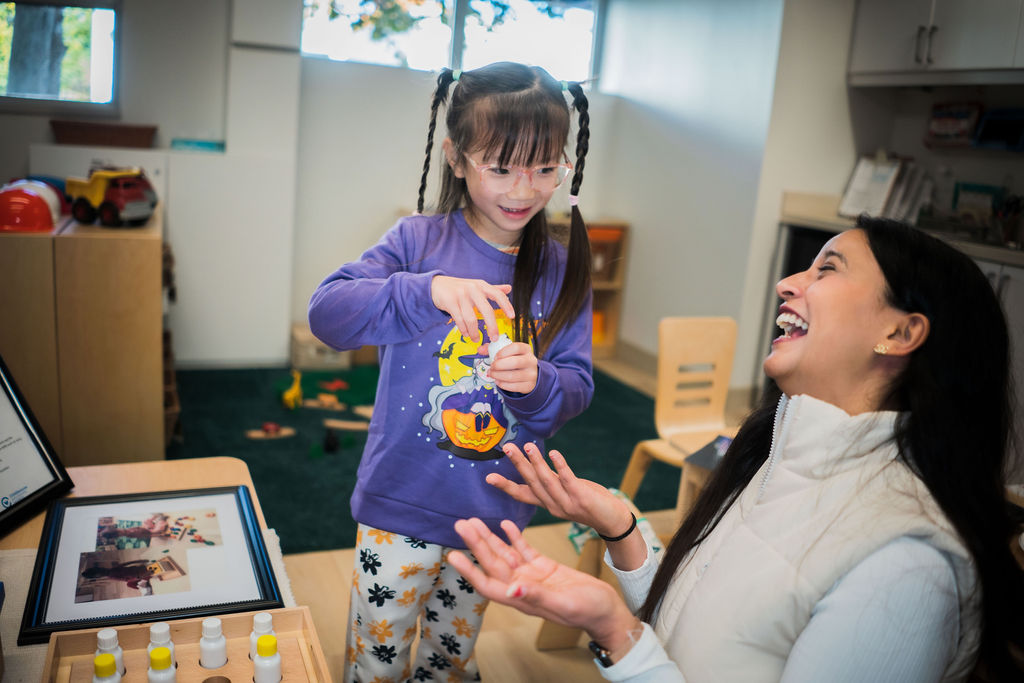
The preschool years, typically ages 2 to 5 represent one of the most important phases of cognitive and social development. During this time, children experience major growth in their ability to understand and use language. They begin:
- Expanding vocabulary at rapid speed
- Forming increasingly complex sentences
- Asking questions to explore new ideas
- Engaging in storytelling and imaginative play
- Recognizing sounds, letters, patterns, and rhythms in speech
A strong early language foundation influences several key areas. The investment in early language development yields returns across three major developmental domains:
Cognitive, Social, and Emotional Growth
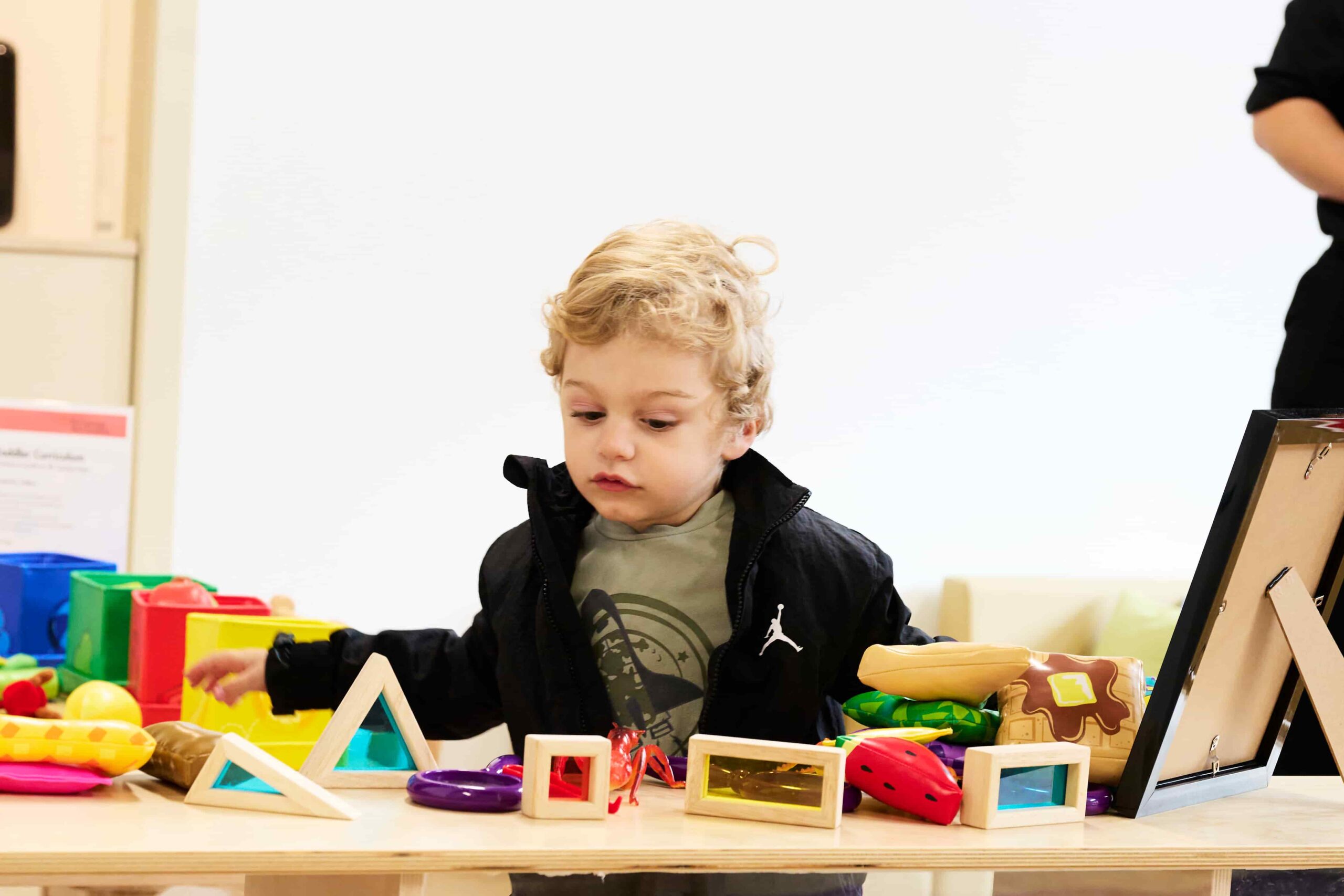
A. Cognitive and Intellectual Benefits
- Advanced Problem-Solving: Children use internalized language (inner monologue) to think through challenges. A child who can verbally sequence a process (“If I push the red button, then the car will go”) is better equipped to solve a tangible problem.
- Memory and Recall: Naming objects, actions, and events aids in encoding memories. When a teacher reads a story and discusses the characters and plot, the child uses language to categorize and store that information.
- Early Literacy Foundations: This is the most direct benefit. Strong vocabulary is the cornerstone of reading comprehension. If a child encounters a word in print that they already know orally, they can focus their cognitive energy on decoding the text, not figuring out the word’s meaning. This mastery of phonological awareness (the sounds and structure of language) is crucial.
B. Social and Interpersonal Benefits
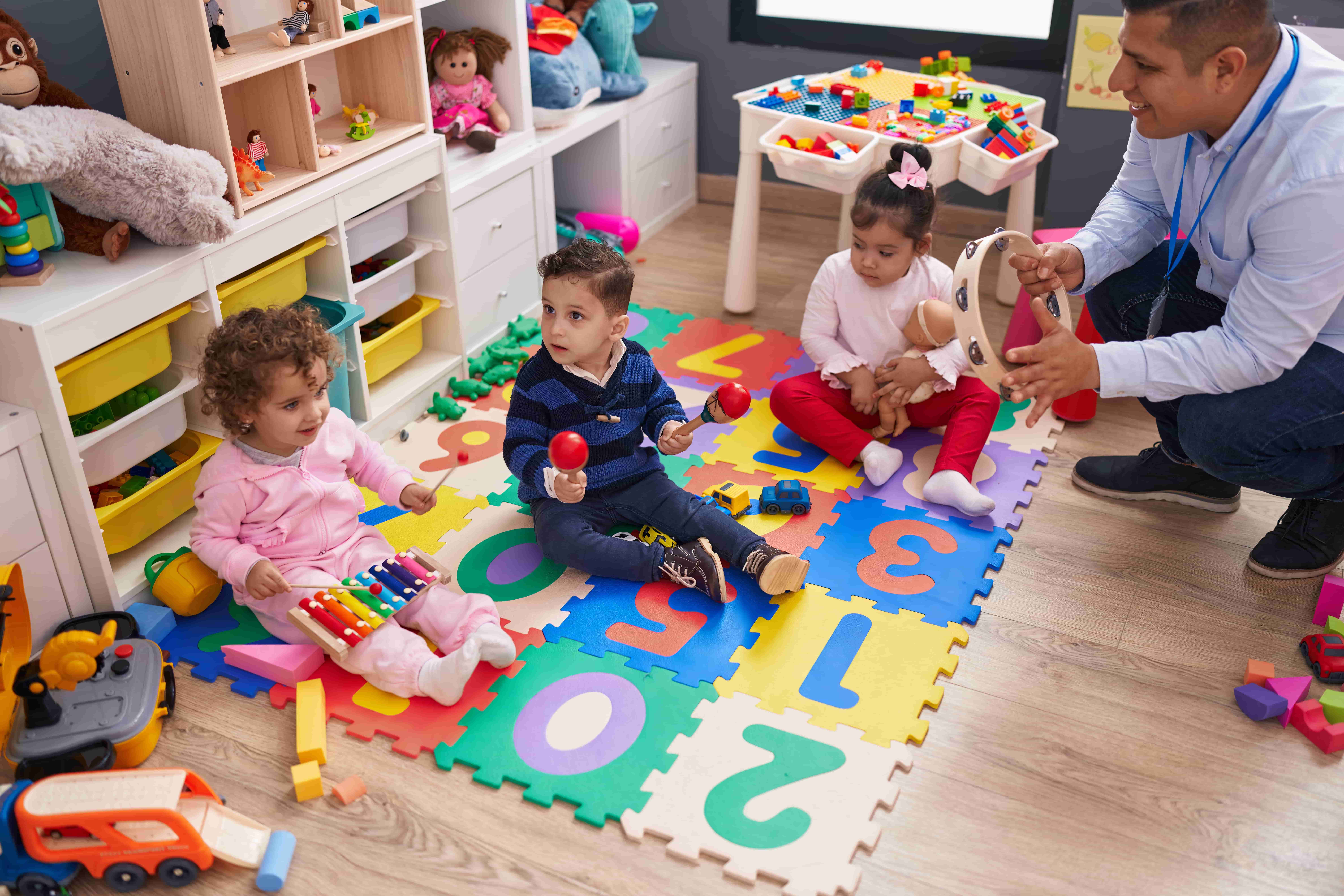
- Conflict Resolution and Negotiation: The most significant social shift in preschool is the move from parallel play to cooperative play. When conflicts arise which they frequently do, a child with strong language skills can successfully state their perspective (“I was playing with that first”), negotiate a turn-taking strategy, and compromise, rather than resorting to physical action or frustration.
- Building Peer Relationships: Fluent, descriptive language makes a child an engaging play partner. They can propose elaborate scenarios (“Let’s pretend this block is the dragon’s cave and we are the brave knights!”), sustaining more complex and enriching interactions.
- Developing Empathy (Theory of Mind): Language enables children to vocalize and understand emotions. When an educator says, “I see Leo is crying because he is frustrated that his tower fell,” the child connects the feeling, the word, and the cause. This is how children learn to predict and respond to the emotional states of others.
C. Emotional Regulation and Self-Confidence
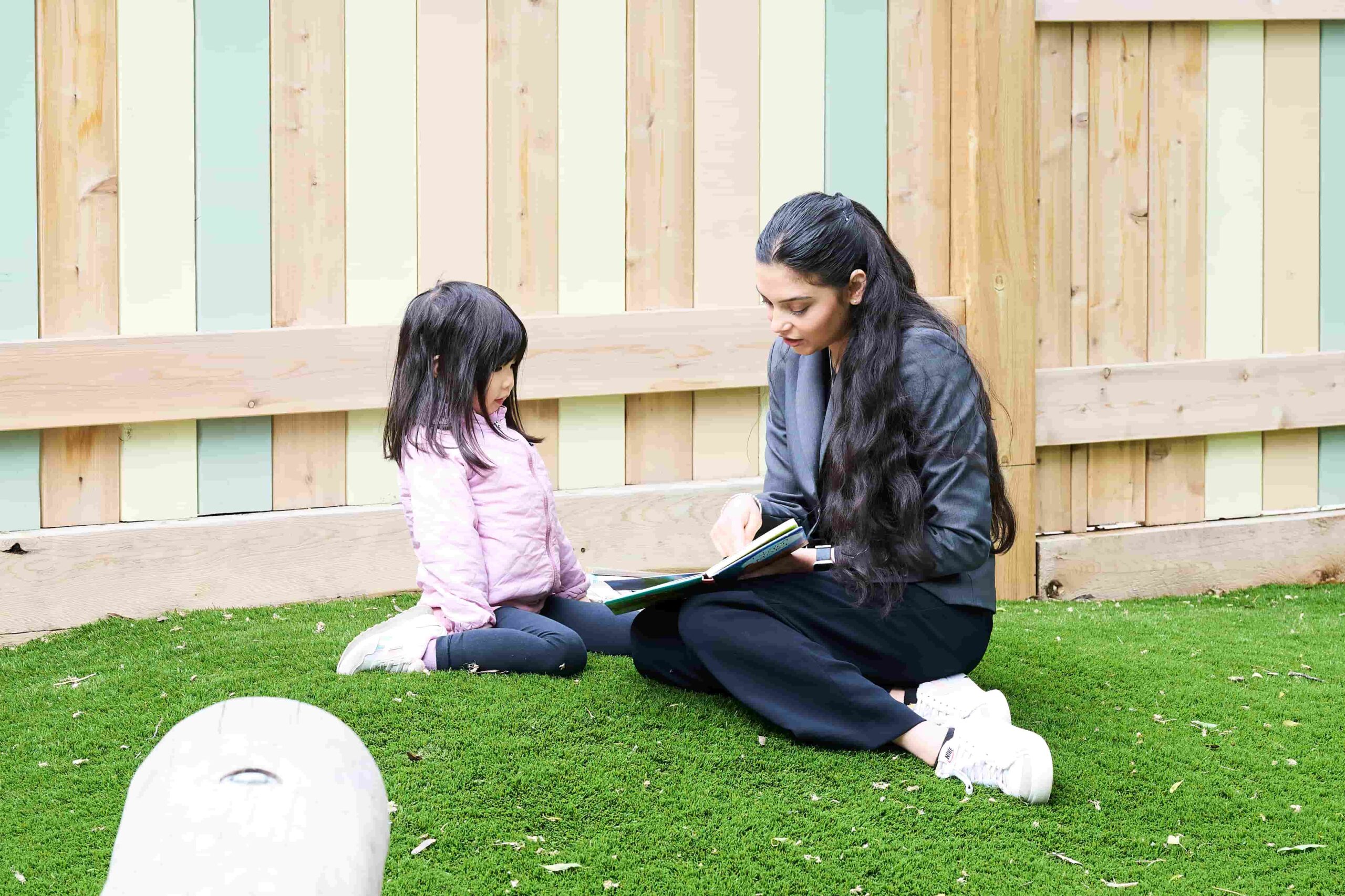
- Reducing Frustration: The inability to communicate a need or emotion is the primary cause of toddler meltdowns. Giving a child the vocabulary for their feelings (e.g., mad, sad, tired, overwhelmed) gives them agency and control, leading to calmer self-regulation.
- Social Confidence: Being heard, understood, and able to participate fully in group discussions validates a child’s sense of self-worth. This confidence translates into a willingness to take risks, ask questions, and explore new challenges.
How Preschool Programs Support Language Development
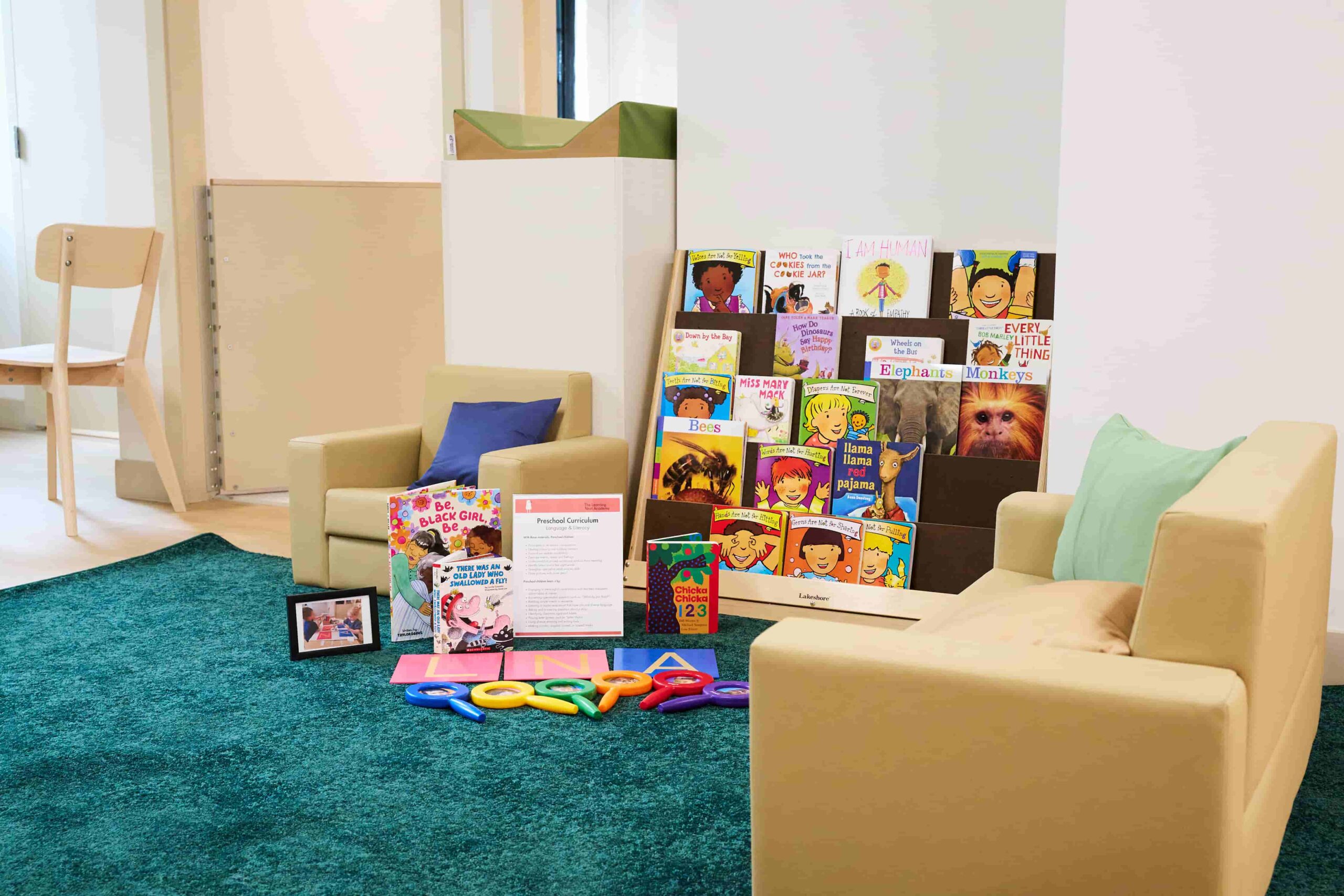
High-quality preschool programs intentionally integrate language into every part of the day. At The Learning Nest, educators use a social-based learning approach where communication naturally emerges through collaboration, play, and exploration.
Below are key ways preschool programs nurture the language development of early childhood:
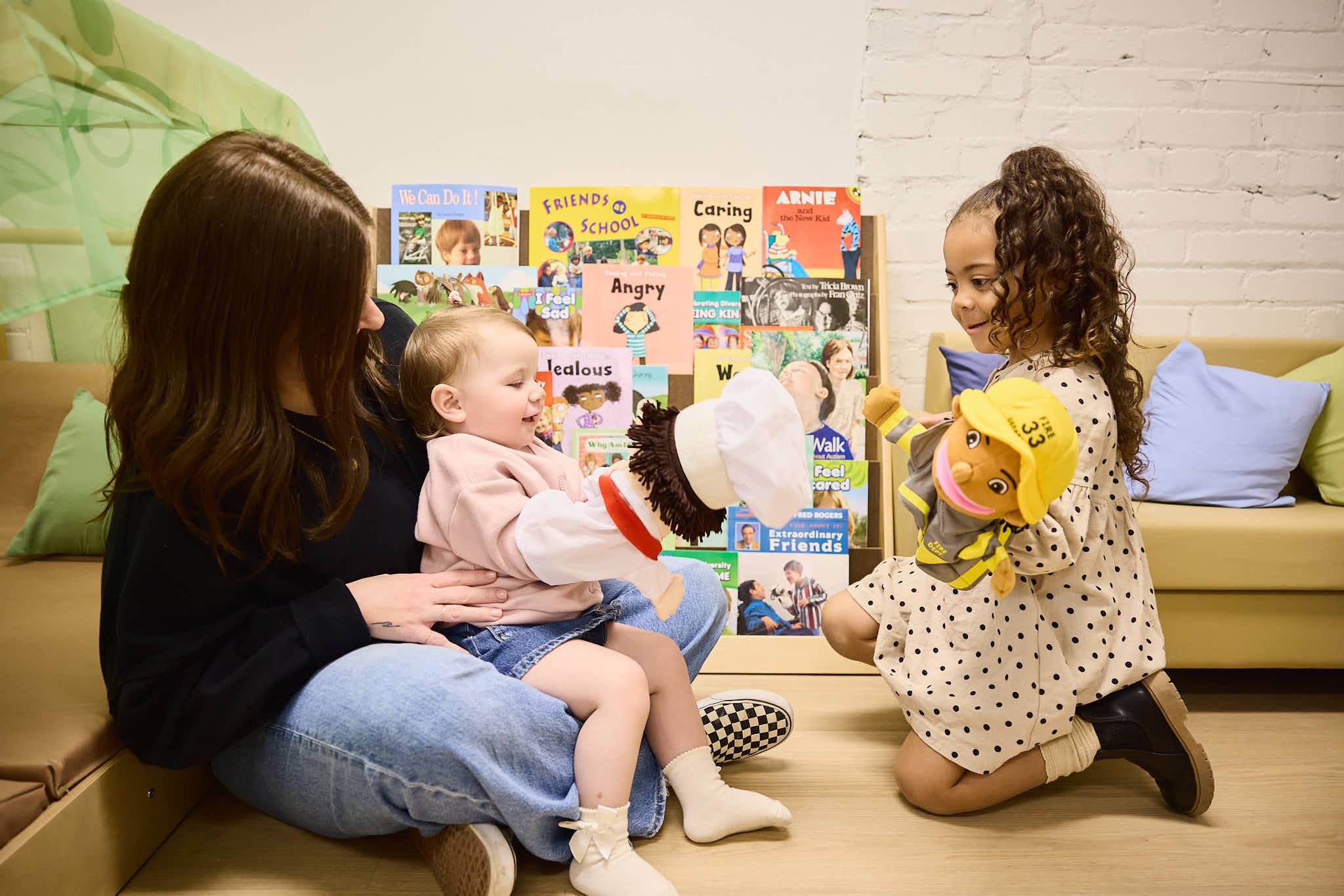
1. Storytelling, Read-Alouds, and Conversation About Books
Daily story experiences help children hear new vocabulary in context, follow narratives, and make predictions. Educators pause to ask guiding questions like:
- “What do you think the character is feeling?”
- “Why do you think this happened?”
- “Can you tell me what might come next?”
These discussions build comprehension and expressive language.
3. Vocabulary-Rich Play Environments
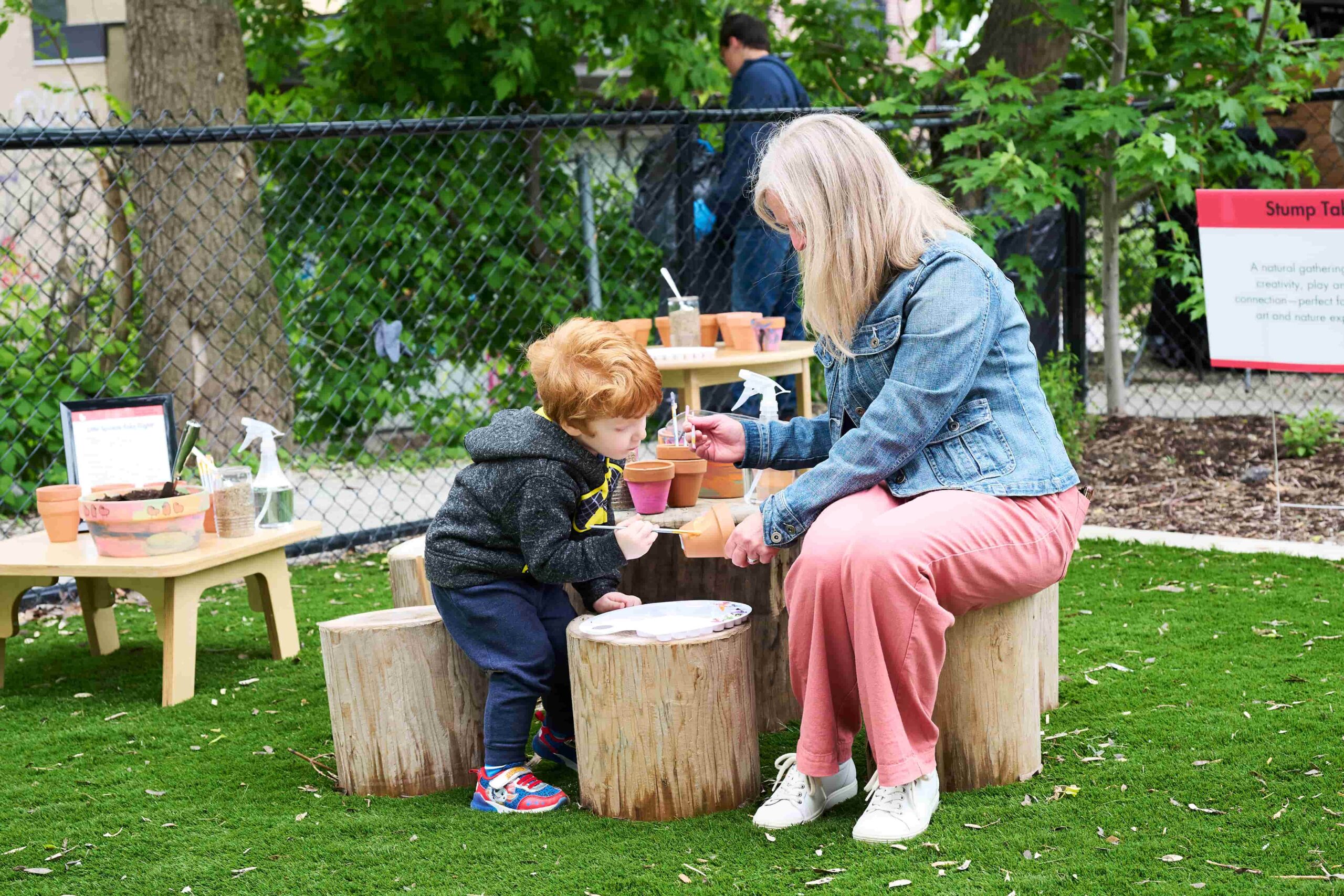
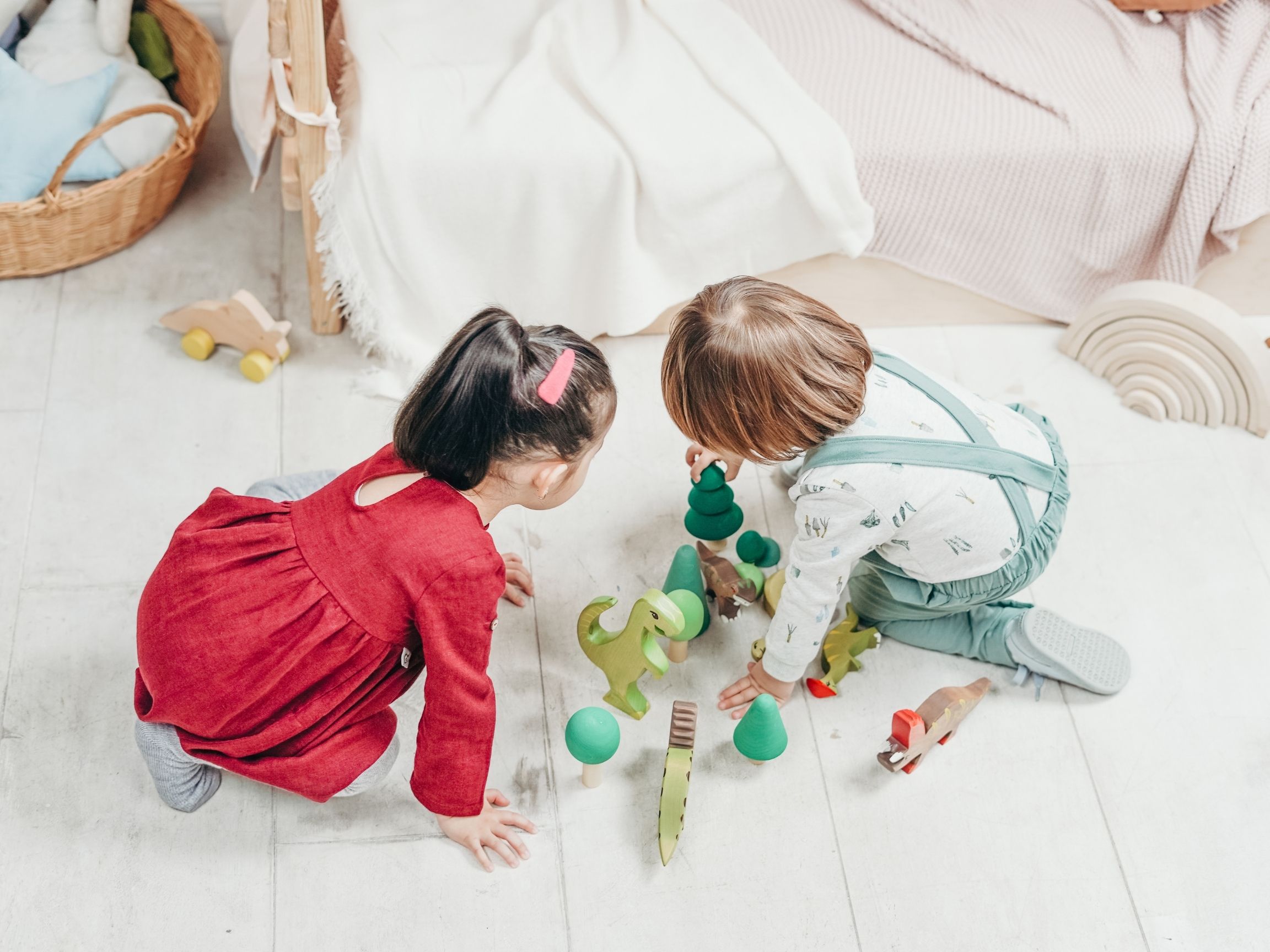
Intentional, curated play is one of the most effective ways to build language. Whether children are cooking in the dramatic play kitchen, constructing towers, or exploring nature, educators model descriptive vocabulary:
- “Your tower is tall and narrow.”
- “This leaf feels smooth. Let’s compare it to the rough one.”
- “Can you explain how you built this?”
These interactions expose children to new words and concepts in authentic, meaningful ways.
4. Small-Group Discussions and Peer Interactions
Circle time, group projects, and collaborative problem-solving encourage children to:
- Take turns speaking
- Listen actively to their peers
- Share ideas openly
- Ask clarifying questions
These small, structured conversations help children develop confidence and communication habits that support success in classroom settings.
5. Music, Rhymes, and Repetitive Language Experiences
Songs, fingerplays, and rhymes strengthen memory, rhythm, and sound awareness, important building blocks for future reading. Singing together encourages participation and exposes children to sentence patterns and new vocabulary.
6. Opportunities for Dramatic Play and Imaginative Dialogue
Pretend play encourages children to use language creatively. Acting out scenarios, running a pretend bakery, caring for stuffed animals, or building a city helps them practice:
- Role-specific vocabulary
- Emotional expression
- Narrative structure
- Problem-solving through dialogue
How The Learning Nest Supports Language Every Day
Our approach blends warm relationships, rich conversations, age-appropriate literacy experiences, and documentation practices that help each child’s progress shine. Children at The Learning Nest benefit from:
- Educators who model thoughtful, expressive language.
- Daily storytelling and open-ended discussions.
- Social-based curriculum that encourages natural conversation.
- A nurturing environment where every child feels confident sharing their ideas.
By intentionally embedding language development into every routine from morning greetings to afternoon group time we help children develop the communication skills needed for kindergarten and lifelong learning.
Partnering with Parents: Reinforcing Language at Home
The greatest continuity in language development of early childhood happens when the strategies used in the preschool classroom are reinforced at home. Here are practical, high-impact ways parents can support their child’s linguistic growth:
- Be a Narrator (Self-Talk and Parallel Talk): Talk about what you are doing (“Mommy is slicing the ripe tomato”) and what your child is doing (“You are carefully pouring the water into the blue cup”). This constantly models language linked to action.
- Use Descriptive Alternatives to “Good Job”: Instead of vague praise, specify what you are praising: “I love the way you used the purple crayon to draw the wavy lines!” This naturally expands their vocabulary.
- Read Interactively: Move beyond simply reading the words. Ask open-ended questions: “How do you think the little bear feels right now? What do you think will happen next?”
- Practice Sequencing: Ask your child to help you list the steps for a task: “What should we do first when we bake cookies? Next?”
- Engage in Pretend Play: Join their imaginative scenarios (playing doctor, building a spaceship). Pretend play is inherently language-driven and allows children to experiment with different voices, roles, and complex narratives.
Preschool is a critical window for language growth, and the experiences children have during these early years shape their social, emotional, and academic journeys. With rich storytelling, engaging conversations, collaborative play, and supportive educators, children build strong language foundations that last a lifetime.
Programs like those at The Learning Nest empower children to express themselves confidently, connect with others, and develop the early literacy skills needed for future success.
Interested in Supporting Your Child’s Language Development?
Connect with us to learn more about our Preschool programs in North York and The Junction.