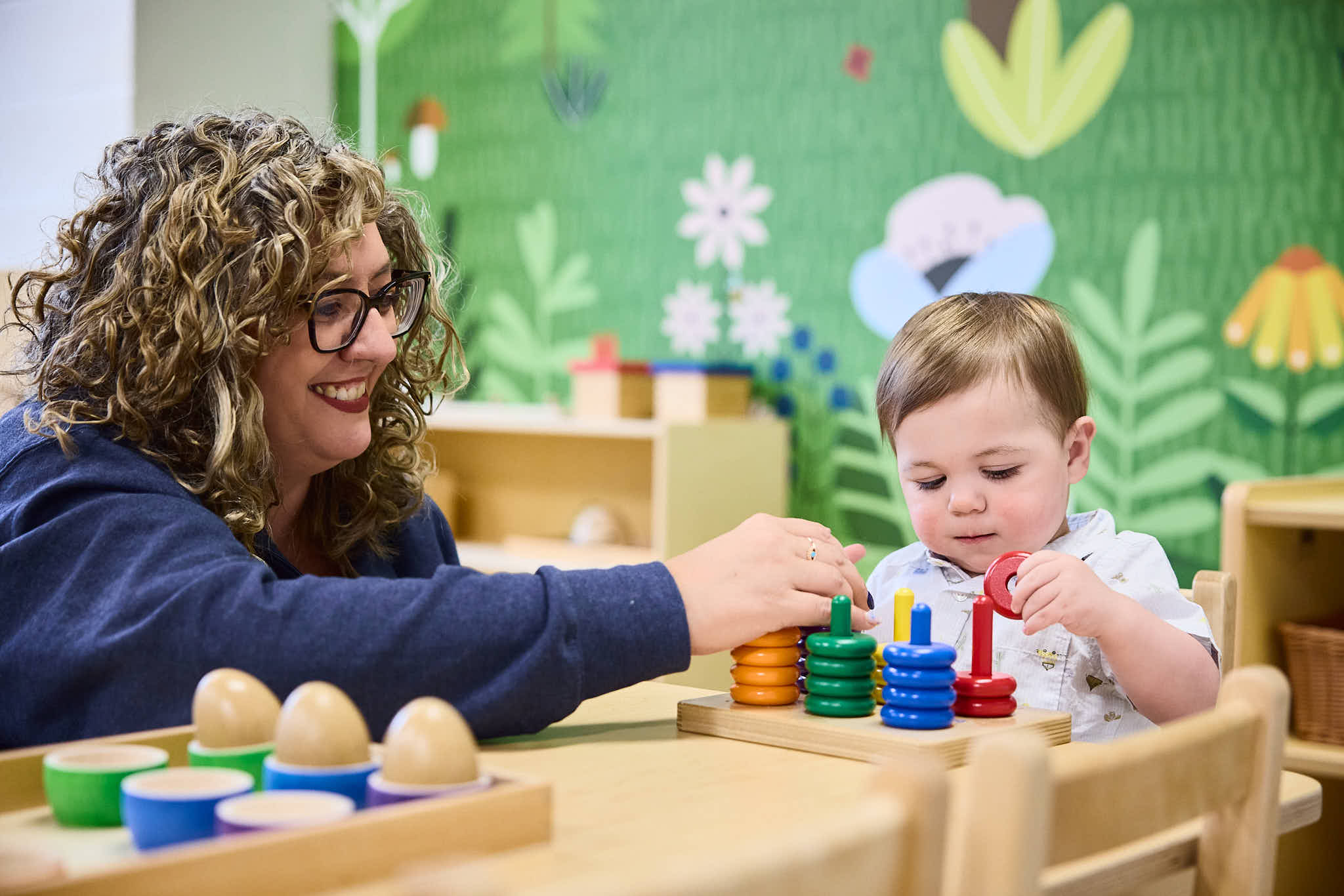
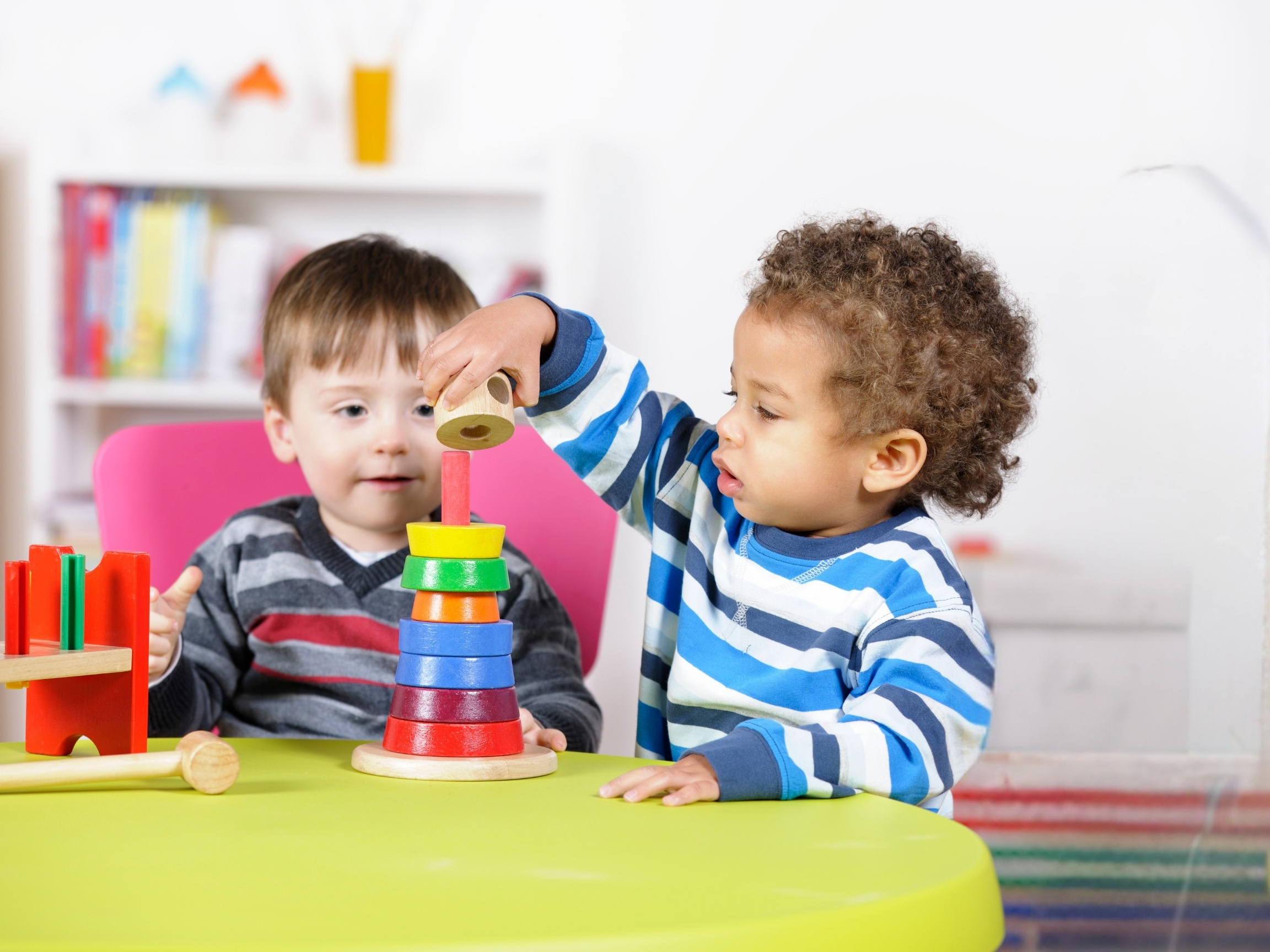
Early childhood education (ECE) refers to educating children from birth up to about 5 years old. It includes programs for Preschool and Kindergarten. These programs build the foundation for a child’s growth, helping them learn, make friends, and develop healthy habits to last a lifetime.
High-quality early childhood care and education nurture curiosity, problem-solving, and social skills during the most important years of brain development. The effects are long-lasting and life-changing.
The goal of ECE is to support a child’s whole development, including cognitive, social, emotional, physical, and creative. Children learn best through play and exploration.
Why is Early Childhood Education Important?
Research consistently demonstrates that high-quality early childhood education has profound and lasting benefits for an individual throughout their life.
1. Brain Development and Cognitive Growth
The first few years of life are a period of incredible brain development. A child’s brain forms more than one million new neural connections every second during early childhood. ECE programs provide environments rich with opportunities for these connections to form and strengthen.
- Foundation for Learning: ECE lays the groundwork for critical cognitive skills, including problem-solving, critical thinking, memory, and attention span. Children exposed to diverse learning experiences are better prepared for academic challenges later on.
- Language and Literacy Skills: Early exposure to books, storytelling, conversations, and language-rich activities significantly boosts vocabulary, phonological awareness (the ability to hear and manipulate sounds in spoken language), and pre-reading skills. This sets children up for success in reading and writing.
- Early Math Concepts: Through play with blocks, sorting games, and everyday activities, children develop an intuitive understanding of numbers, patterns, shapes, and measurements, which are crucial for early math abilities.
- Curiosity and Exploration: ECE fosters a natural sense of wonder and curiosity, encouraging children to ask questions, experiment, and explore their environment. This intrinsic motivation is key to becoming a lifelong learner.
2. Social and Emotional Growth
Beyond academics, ECE is critical for nurturing a child’s social and emotional intelligence. These are often considered some of the most vital skills for navigating life successfully.
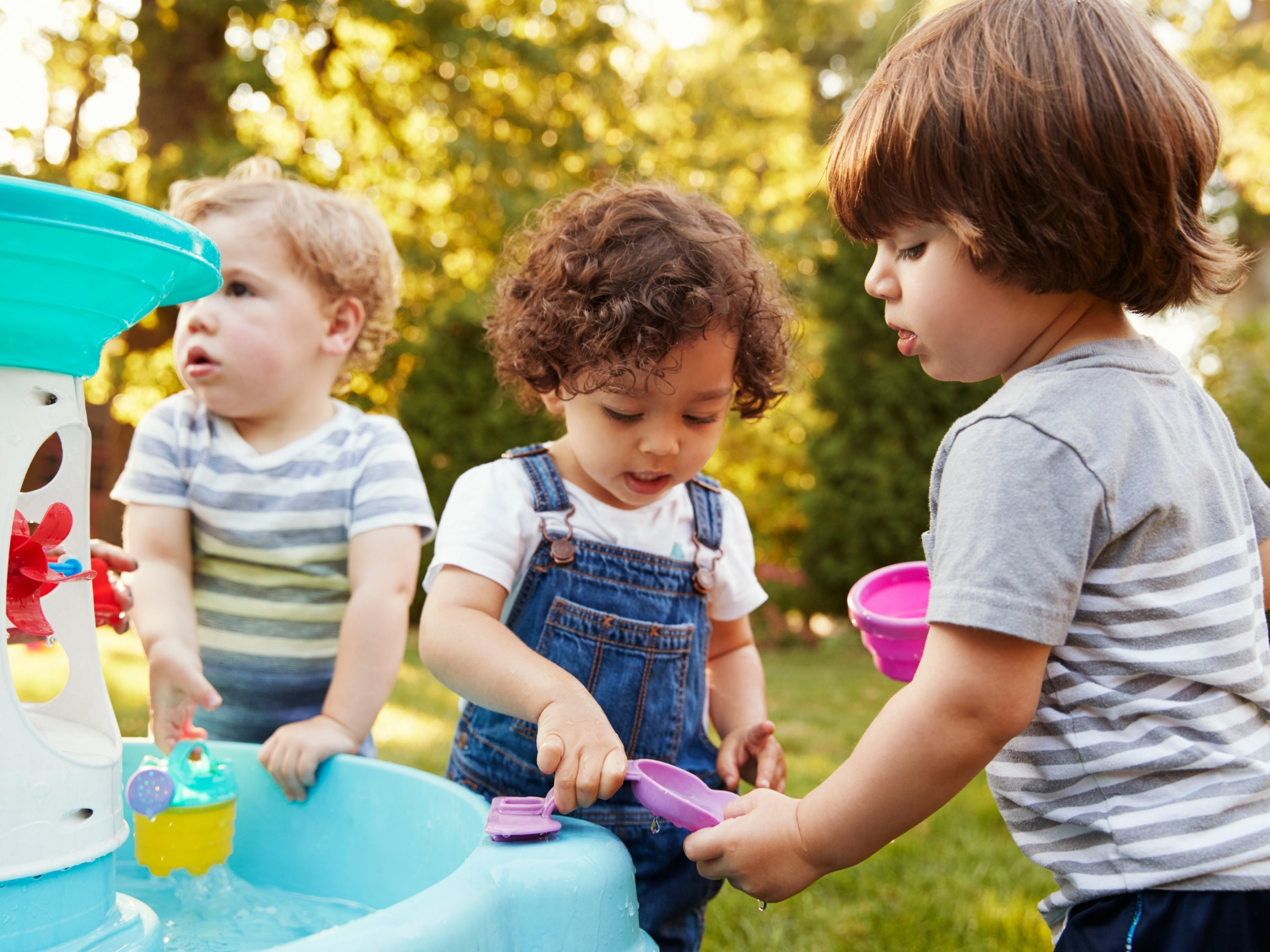
Social Skills: In a group setting, children learn to interact with peers and adults, share, take turns, cooperate, and resolve conflicts peacefully. These interactions are fundamental for developing friendships and effective communication.
- Emotional Regulation: ECE provides a safe space for children to identify, understand, and manage their emotions. Educators guide them through expressing feelings appropriately and developing resilience.
- Empathy and Perspective-Taking: Through collaborative play and structured activities, children learn to understand others’ feelings and perspectives, fostering empathy and compassion.
- Self-Confidence and Independence: As children successfully navigate new tasks, make choices, and interact positively with others, their self-esteem and independence grow. ECE encourages children to try new things and celebrates their efforts, building a strong sense of self-efficacy.
3. School Readiness
One of the most immediate and tangible benefits of ECE is preparing children for elementary school. Children who attend high-quality early childhood programs are more likely to:
- Enter Kindergarten with Essential Skills: They often have better pre-reading, pre-math, and language skills, along with stronger social and emotional readiness.
- Adjust More Easily: They are more accustomed to a structured learning environment, following routines, and interacting with teachers and peers, making the transition to formal schooling smoother.
- Achieve Higher Academically: Studies consistently show that children with strong ECE backgrounds perform better on standardized tests. The High/Scope Perry Preschool Study, which followed HighScope learners into adulthood, found that the students were “much more likely to graduate high school, much more likely to make earnings, (and) much more likely to go on to college.”
4. Long-Term Benefits for Everyone
ECE helps not just children but also families and communities.
- Increased Earning Potential: Early education is linked to higher educational attainment and, consequently, higher adult incomes and allows women to go back to work and develop careers beyond child rearing.
- Improved Public Health: Better education and stable employment contribute to healthier lifestyles and reduced healthcare costs for the population.
- Stronger Communities: A well-educated populace is more engaged in civic life, contributing to stronger, more resilient communities.
Thanks to these benefits, economists and policymakers see ECE as a powerful tool for long-term economic development and social equity.
The “3 Rs” of Early Childhood Education
While traditional schooling often refers to the “3 Rs” as Reading, Writing and Arithmetic, early childhood education embraces a broader, more holistic interpretation of these foundational concepts. In ECE, our “3 Rs” stand for:
- Readiness: . Readiness means nurturing curiosity, building social skills like sharing and cooperation, developing emotional regulation, and strengthening fine and gross motor skills, preparing children socially, emotionally, and physically for learning.
- Relationships: This emphasizes the crucial role of secure and nurturing relationships in a child’s development. Strong, positive relationships with caregivers, educators, and peers provide a sense of security and belonging, which are essential for emotional well-being and social learning. Children learn best when they feel safe, supported, and connected. The quality of interactions with adults shapes a child’s self-esteem and ability to form future relationships.
- Resilience: ECE aims to build a child’s capacity to cope with challenges, adapt to new situations, and bounce back from setbacks. This involves fostering problem-solving skills, emotional regulation, and a sense of self-efficacy. When children learn to navigate difficulties with support, they develop confidence and perseverance, vital traits for lifelong success.
These three Rs highlight the comprehensive, child-centred approach of ECE, moving beyond purely academic achievements to focus on the holistic development of each child, giving children a head start in making friends, increasing their independence, and building confidence and self-esteem.
The Role of Early Childhood Educators

The heart of any ECE program is its educators. At The Learning Nest, many of our teachers are specially trained to:
- Create age-appropriate lessons and activities, rooted in our proprietary blended curriculum of Core Knowledge, HighScope and Montessori.
- Build secure, caring relationships with children.
- Encourage play that develops problem-solving and creativity.
- Guide group interactions like sharing, turn-taking, and conflict resolution.
- Partner with families to support learning at home.
In Ontario, RECEs are certified professionals who meet high academic and ethical standards. Choosing a program with RECEs means your child is in capable, caring hands.
Early Childhood Education at The Learning Nest
At The Learning Nest, we believe every child’s journey is unique.
Our early childhood education programs support the whole child through:
- Cognitive Growth: Activities that build early literacy, numeracy, and critical thinking.
- Social and Emotional Skills: Warm, inclusive classrooms that teach empathy, cooperation, and self-expression.
- Physical Development: From outdoor play to art and crafts, we strengthen both fine and gross motor skills.
- Creative Exploration: Music, drama, art, and open-ended activities that spark imagination.
- Dedicated Educators: Experienced RECEs who guide children with care and expertise.
“At Learning Nest, supporting a child means supporting their whole family. The early years can be a joyful and sometimes challenging time, so we strive to be a trusted partner every step of the way.
We maintain open and consistent communication through daily updates, progress reports, and regular check-ins, ensuring that families are always informed and connected to their child’s learning journey.
By building strong relationships based on trust and respect, we create a supportive community where parents and caregivers feel heard, valued, and included. Our goal is to ensure that families feel they are not just enrolling their child in a program, but joining a team dedicated to their child’s growth, happiness, and success.”
We are proud to provide a premium early learning experience in our North York and Junction academies, building the foundations for a lifetime of learning and independence.
Ready to Support Your Child’s Early Learning Journey?
If you’d like to learn more about early childhood development, we’d love to connect. Visit our programs page or contact us today to schedule a tour.
FAQs about Early Childhood Education
Here are some common questions parents and guardians have about ECE.
Q1: At what age should my child start ECE?
A1: Children can benefit from ECE at various ages, from infancy through preschool. Most programs welcome toddlers around 18 months to 2 years old. Preschool usually begins at age 3, but the best time depends on your child’s readiness and your family’s needs.
Q2: How is ECE different from babysitting?
A2: ECE goes far beyond basic supervision. While safety and care are fundamental, ECE programs are intentionally designed with specific developmental and educational goals. They employ trained educators who follow a curriculum to promote cognitive, social, emotional, and physical growth through structured activities and guided play. Babysitting primarily focuses on care and supervision without a specific educational framework.
Q3: What should I look for in a high-quality ECE program?
A3: When choosing an Early Childhood Education program, look for:
- Qualified educators, such as Registered Early Childhood Educators (RECEs)
- A safe, stimulating and clean environment
- The program should focus on learning and holistic development
- Warm, positive interactions with educators
- Opportunities for parents to be involved and communicate with educators
- Proper licensing and accreditation
Q4: How does ECE prepare children for Kindergarten?
A4: It develops pre-reading skills (like recognizing letters and sounds), pre-math concepts (like counting and shape recognition), crucial social skills (sharing, taking turns, listening), emotional regulation, and the ability to follow routines and a smoother path to classroom success.
Q5: Will my child miss out if they don’t attend ECE?
A5: While children can thrive without formal ECE, high-quality programs offer unique benefits that can be challenging to replicate at home, particularly the consistent exposure to group social dynamics and a professionally designed learning environment. Many parents find ECE provides invaluable structure and social opportunities that complement home learning. The key is providing a rich, stimulating environment, whether at home or in a program.